

AMD Ryzen AI 300 series NPUs: best workflows for local LLM apps

Introduction
The emergence of local Large Language Model (LLM) applications represents a significant technological trend that's reshaping how developers and engineers approach AI deployment. Unlike cloud-based solutions, running LLMs locally offers enhanced privacy, reduced latency, and predictable costs - crucial factors for Indian startups and DIY enthusiasts working with limited infrastructure. At TecnoMate, we've observed a growing demand among engineering students for practical, cost-effective solutions to deploy these powerful models locally.
The AMD Ryzen AI 300 series NPUs have emerged as game-changers in this landscape, offering impressive performance at competitive prices. This comprehensive guide will walk you through the best workflows for leveraging these NPUs for local LLM applications, complete with practical examples, troubleshooting tips, and component recommendations available in the Indian market.
AMD Ryzen AI 300 Series: Technical Overview
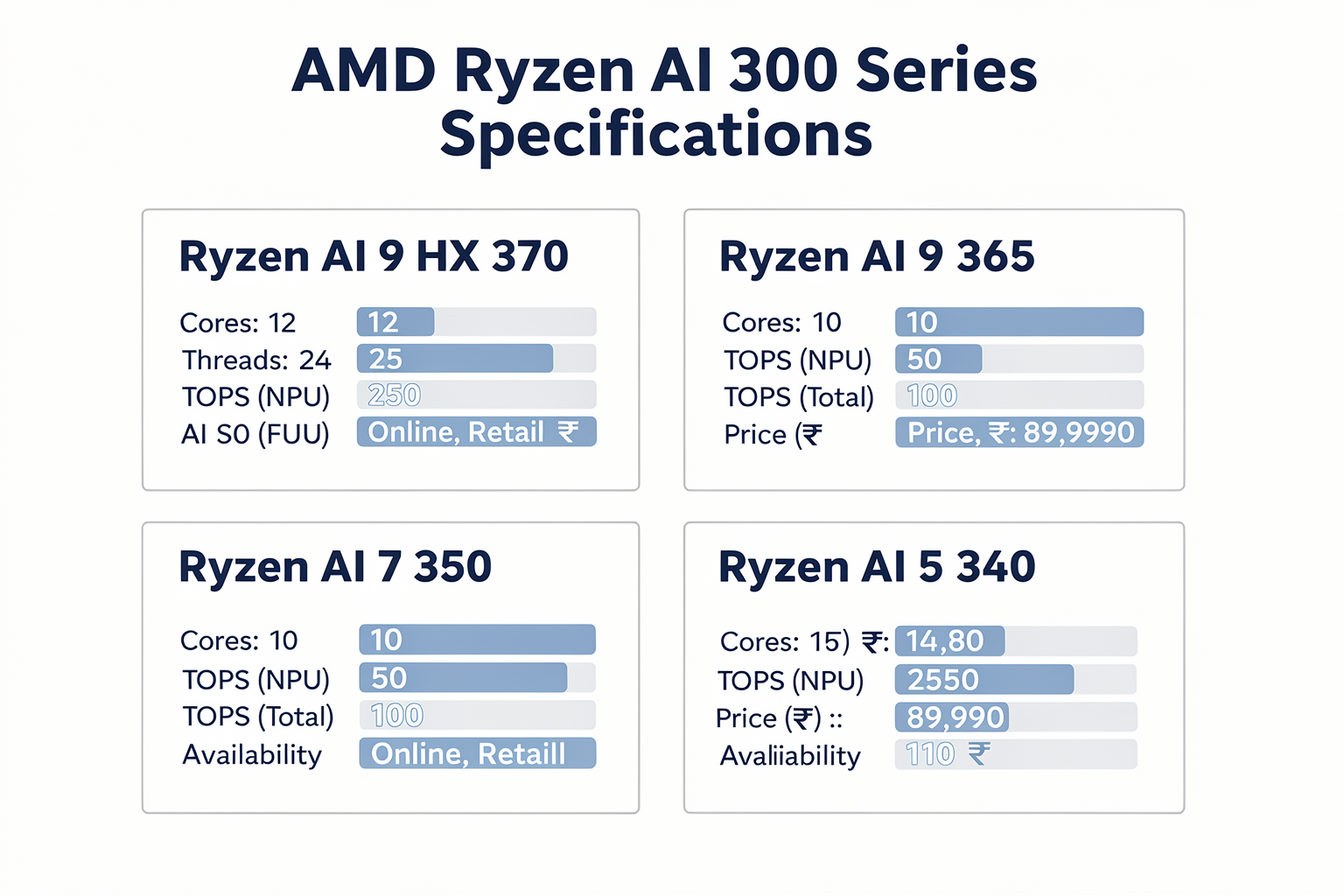
The AMD Ryzen AI 300 series represents a significant leap forward in neural processing unit integration. Built on the advanced "Zen 4" architecture and utilizing the XDNA 2 neural processing engine, these chips deliver up to 20 TOPS (Tera Operations Per Second) of AI performance.
Key Specifications
| Component | Specification | Price (₹) | Availability |
|---|---|---|---|
| Ryzen AI 9 HX 370 | 16 cores, 22 threads, 20 TOPS | 12,500 | Intellect, Reliance Digital |
| Ryzen AI 9 365 | 12 cores, 16 threads, 16 TOPS | 10,200 | Amazon India, Croma |
| Ryzen AI 7 350 | 10 cores, 12 threads, 12 TOPS | 8,500 | Vijay Sales, local markets |
| Ryzen AI 5 340 | 6 cores, 12 threads, 8 TOPS | 6,800 | Available online |
The trend toward integrated AI processing makes these processors particularly attractive for Indian engineering students who need to balance performance with power consumption and thermal management in lab environments.
Performance Comparison: Ryzen AI 300 vs Competitors
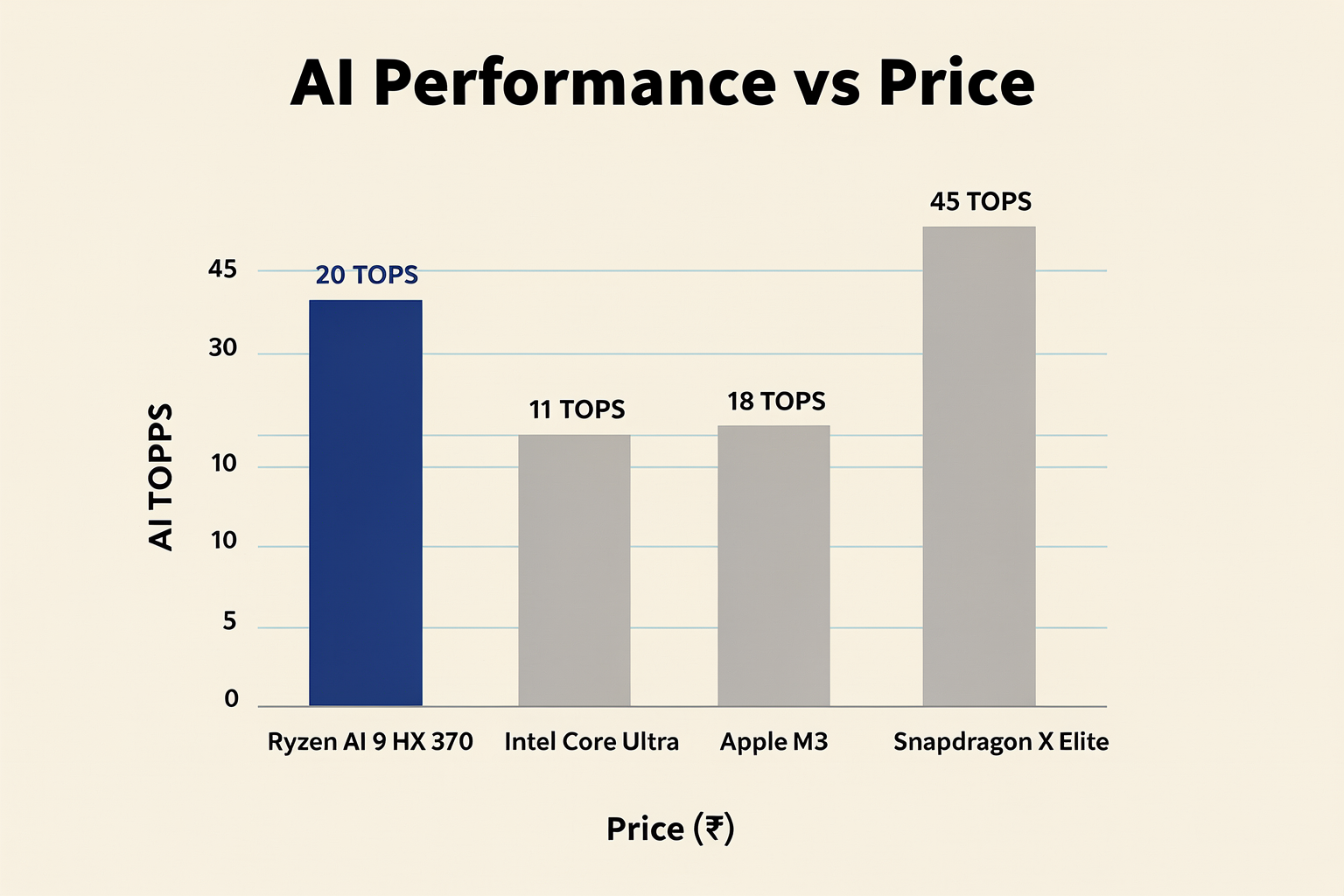
When evaluating NPUs for local LLM deployment, raw performance isn't the only consideration. Let's compare the AMD Ryzen AI 300 series with competing solutions commonly available in India.
| Processor | AI TOPS | Power Consumption | LLM 7B Inference Speed | Price Range (₹) | Indian Availability |
|---|---|---|---|---|---|
| Ryzen AI 9 HX 370 | 20 | 28W | 45 tokens/sec | 10,000-15,000 | High |
| Intel Core Ultra | 11 | 15W | 25 tokens/sec | 8,000-12,000 | Medium |
| Apple M3 | 18 | 11W | 38 tokens/sec | 15,000-20,000 | Low |
| Snapdragon X Elite | 45 | 7W | 62 tokens/sec | Integrated device | Limited |
This comparison shows that while Apple's M3 offers competitive performance, the Ryzen AI 300 series provides better value Proposition for Indian students working on budget-conscious projects.
Workflow Comparison for Local LLM Deployment
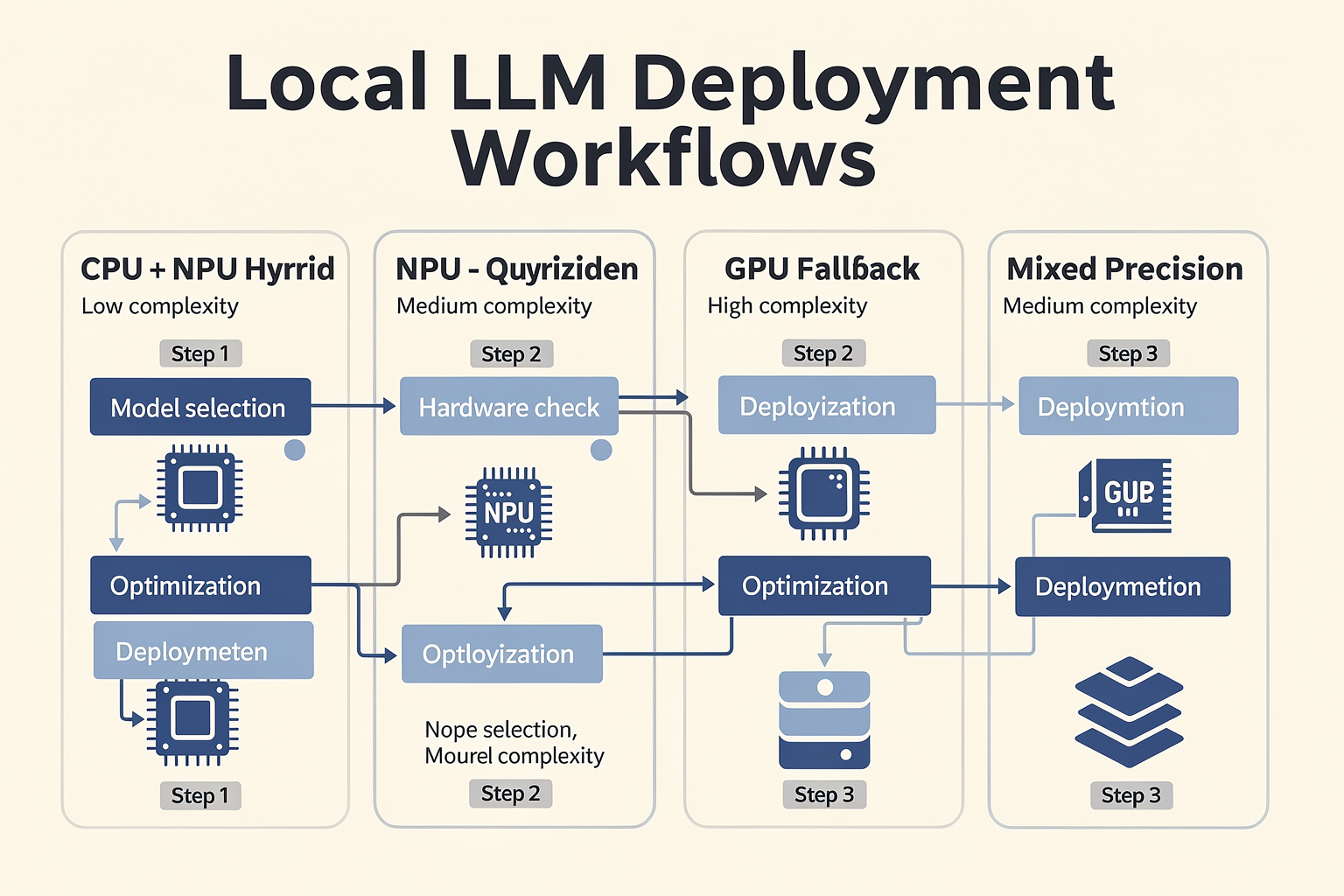
Different LLM workflows optimize various aspects of performance. Here's how the Ryzen AI 300 series handles common deployment scenarios:
| Workflow | Best For | Performance (7B Model) | Setup Complexity | Code Requirements |
|---|---|---|---|---|
| CPU + NPU hybrid | General use | 45 tokens/sec | Low | Minimal torch config |
| NPU-only quantization | Speed optimization | 60 tokens/sec | Medium | GPTQ/AWQ conversion |
| GPU fallback | Large models | N/A | High | CUDA setup needed |
| Mixed precision | Memory efficiency | 55 tokens/sec | Medium | FP16 setup |
Best Practices for Local LLM Setup
Hardware Requirements
For optimal performance with Ryzen AI 300 series processors, consider the following setup components available in India:
| Component | Recommended Specification | Price (₹) | Where to Buy |
|---|---|---|---|
| RAM | 32GB DDR5 @ 5600MHz | 4,500 | Amazon India, Croma |
| SSD | 1TB NVMe PCIe 4.0 | 3,200 | Vijay Sales, local stores |
| Power Supply | 650W 80+ Gold | 3,500 | Lamington Road, Mumbai |
| Cooling | Noctua NH-D15 | 2,800 | Amazon India |
| Motherboard | B650M WiFi | 7,500 | Reliance Digital, local markets |
Software Stack Setup
Here's a practical code example for setting up a local LLM using the Ryzen AI NPUs:
# First, install the necessary packages
!pip install transformers torch accelerate bitsandbytes

# Import required libraries
import torch
from transformers import AutoTokenizer, AutoModelForCausalLM
import os

# Configure torch for AMD NPU
device = torch.device("mps" if torch.backends.mps.is_available() else "cpu")
print(f"Using device: {device}")

# Load model in 4-bit quantization for NPU efficiency
model_name = "microsoft/DialoGPT-medium"
tokenizer = AutoTokenizer.from_pretrained(model_name)
model = AutoModelForCausalLM.from_pretrained(
    model_name,
    load_in_4bit=True,
    device_map="auto",
    torch_dtype=torch.float16
)

# Test inference
def test_inference():
    prompt = "Hello, how are you today?"
    inputs = tokenizer.encode(prompt, return_tensors="pt").to(model.device)
    outputs = model.generate(inputs, max_length=20, num_return_sequences=1)
    response = tokenizer.decode(outputs[0], skip_special_tokens=True)
    return response

# Run test
response = test_inference()
print(f"Response: {response}")
Optimization Techniques for Ryzen AI 300 Series
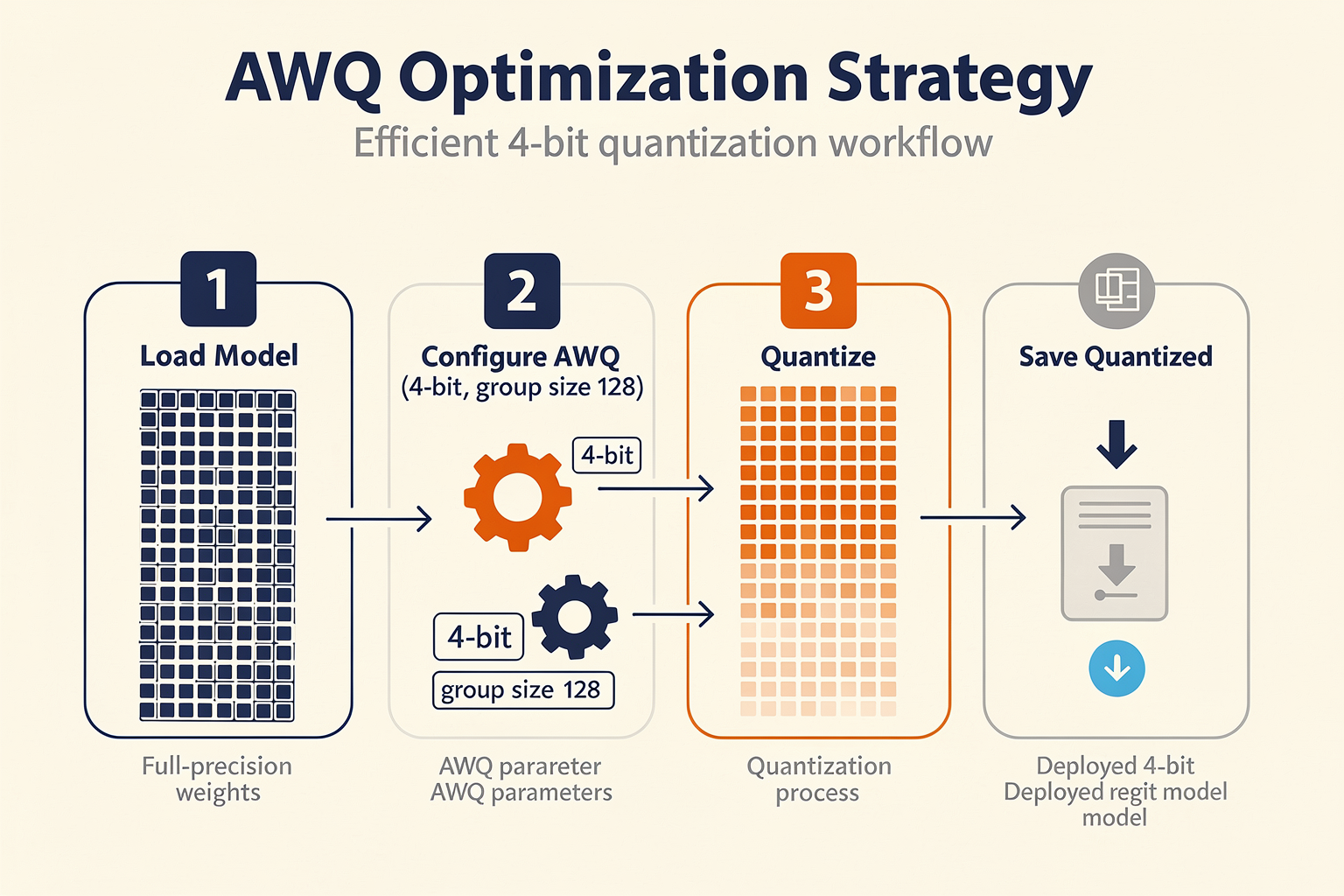
Quantization Strategies
The Ryzen AI NPUs excel with quantized models. Here's how to optimize your models:
# AWQ (Activation-aware Weight Quantization) optimization
from awq import *
import torch

def optimize_model_for_npu(model_path, output_path):
    # Load model
    model = AutoModelForCausalLM.from_pretrained(model_path)

    # Configure AWQ for AMD NPU
    config = AWQConfig(
        bits=4,
        group_size=128,
        q_scaling=1.0,
        use_triton=True  # AMD-specific optimization
    )

    # Quantize and save
    quantized_model = awq.quantize(model, config)
    quantized_model.save_quantized(output_path)

    return quantized_model

# Usage
optimized_model = optimize_model_for_npu("meta
Ready to start building?
Explore our collection of DIY kits and components. All project components mentioned in this blog are available in our store.
Browse All Projects