

RISC-V processor launches in 2026: open hardware opportunities for makers
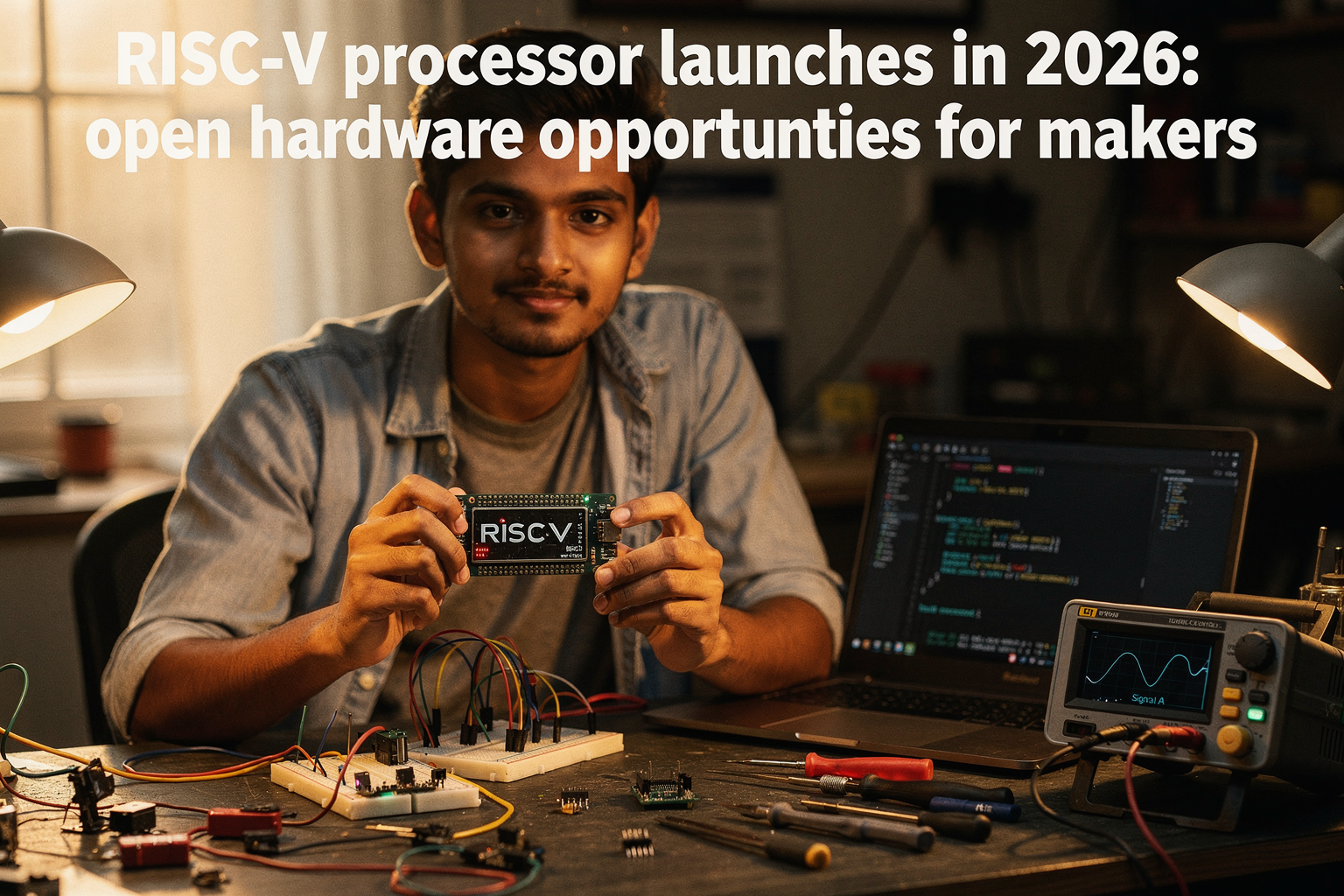
Introduction: The RISC-V Revolution is Coming
India's DIY electronics scene is about to witness a revolutionary shift with the upcoming RISC-V processor launches in 2026. As an engineering student or hobbyist, you're perfectly positioned to embrace this new trend in open-source hardware. Unlike proprietary architectures like ARM or x86, RISC-V offers unprecedented freedom to modify, optimize, and innovate. This blog post will guide you through everything you need to know about this emerging trend and how to leverage it for your projects.
The global semiconductor industry is witnessing a significant trend towards open-source alternatives, and India's engineering community is at the forefront of this movement. With prices of RISC-V development boards expected to drop below ₹2,000 by mid-2026, this technology will become accessible to students and makers across India, from IIT Bombay to local engineering colleges in tier-2 cities.
Understanding RISC-V Architecture: Why It Matters Now
The Open Source Advantage
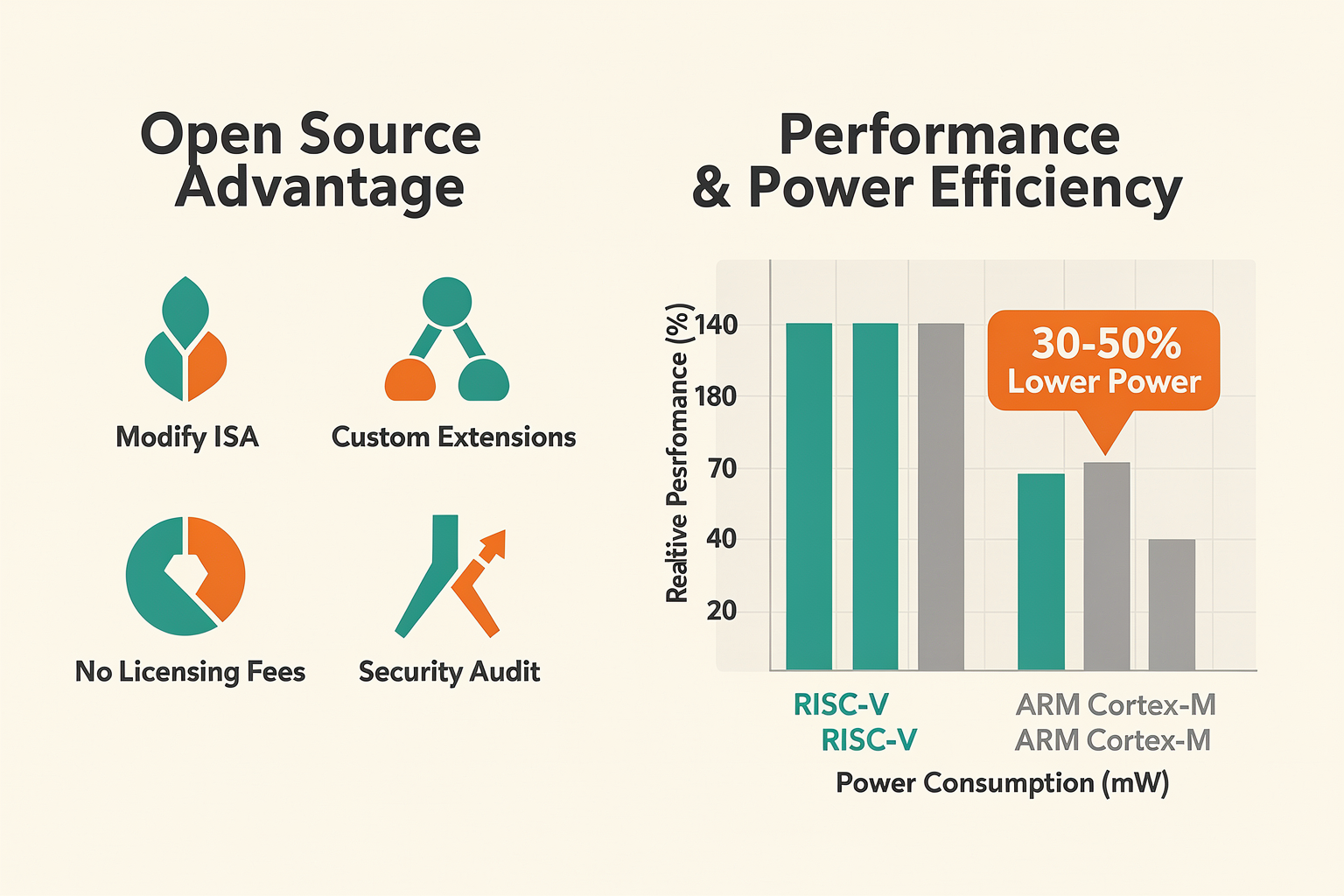
RISC-V stands out because it's completely open-source, licensed under a permissive BSD license. This means you can:
- Modify the instruction set architecture (ISA)
- Create custom extensions for specific applications
- Share and collaborate without licensing restrictions
- Audit the code for security vulnerabilities
For Indian students working on projects with budget constraints, this trend is particularly exciting as you can now build sophisticated embedded systems without worrying about expensive licensing fees that typically add ₹10,000-50,000 to development costs for proprietary solutions.
Performance and Power Efficiency
Contrary to early misconceptions, modern RISC-V processors are competitive with ARM Cortex-M series. The latest implementations from companies like SiFive, Alibaba, and Western Digital show performance metrics that rival mid-range ARM chips while consuming 30-50% less power. This efficiency trend is crucial for battery-powered projects common in student competitions.
Upcoming RISC-V Processor Launches in 2026
Major Players Entering the Market
The 2026 timeline marks an exciting period as several companies plan major RISC-V processor launches:
- SiFive will release their Performance Series P-series cores with up to 1GHz clock speeds
- Alibaba is expected to launch their Tianchi series optimized for AI workloads
- Western Digital will introduce server-grade RISC-V cores for edge computing
- Indian startups like SemiFusion and E2E Semiconductor are planning RISC-V variants tailored for Indian market needs
Technical Specifications and Comparison
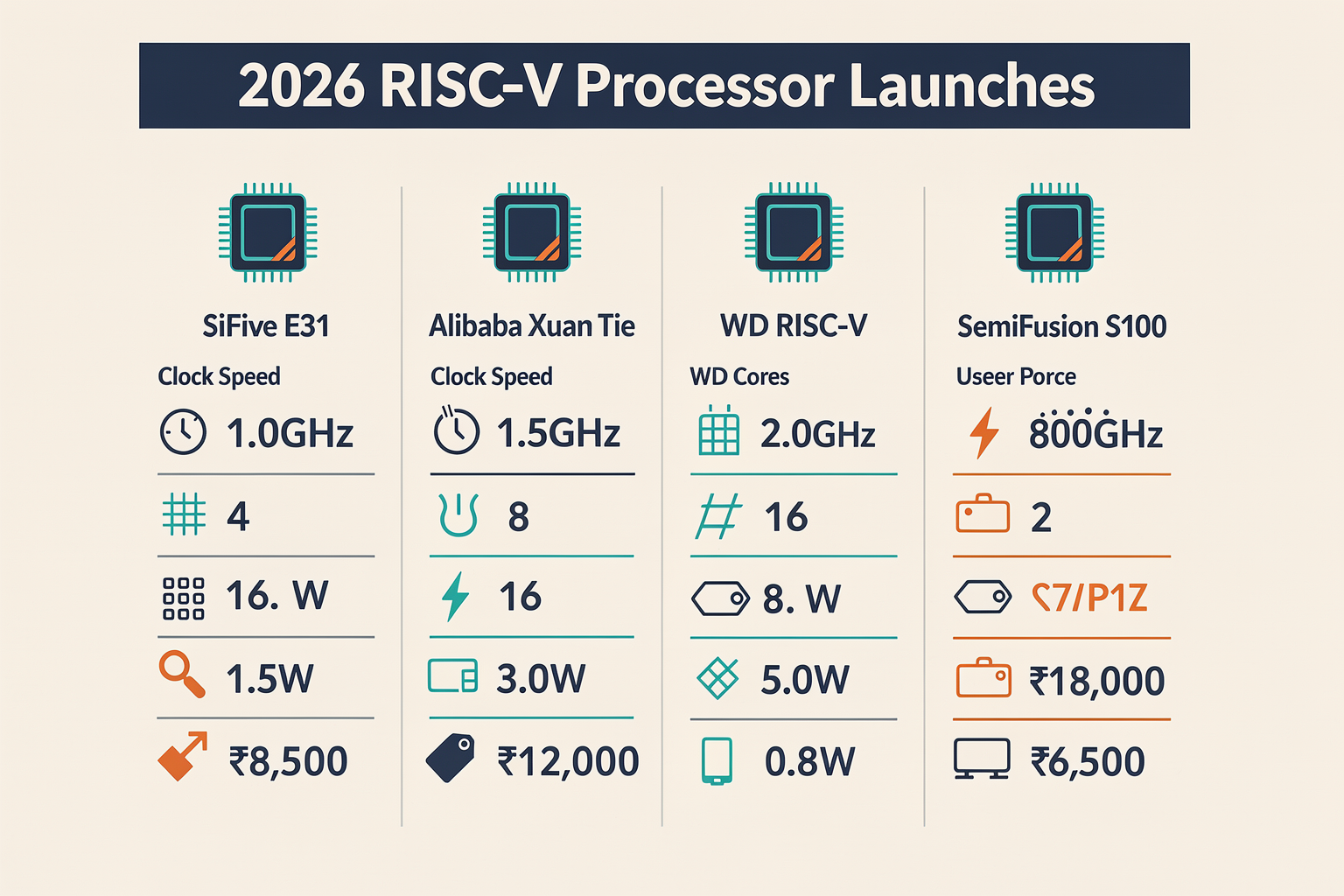
| Processor | Clock Speed | Core Count | Power Consumption | Price (₹) | Use Case |
|---|---|---|---|---|---|
| SiFive E31 | 1.0GHz | 4 cores | 1.5W | 8,500 | General purpose |
| Alibaba Xuan Tie | 1.5GHz | 8 cores | 3.0W | 12,000 | AI/ML edge |
| WD RISC-V | 2.0GHz | 16 cores | 5.0W | 18,000 | Server/edge |
| SemiFusion S100 | 800MHz | 2 cores | 0.8W | 6,500 | IoT devices |
Setting Up Your RISC-V Development Environment
Hardware Requirements
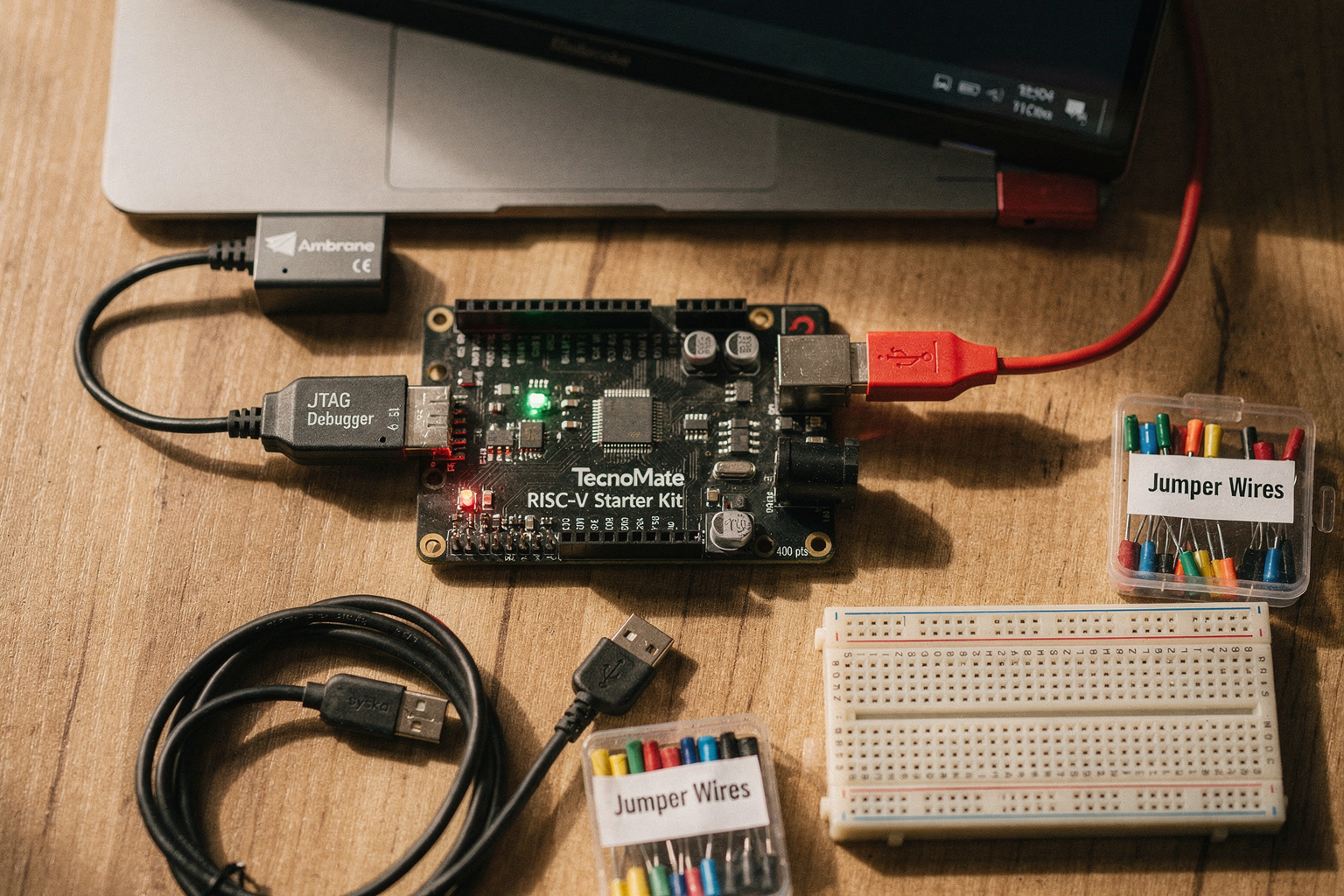
For getting started with RISC-V development, you'll need:
| Component | Specification | Price (₹) | Recommended Vendor |
|---|---|---|---|
| RISC-V Dev Board | 2GB RAM, 16GB Storage | 3,500 | TecnoMate RISC-V Starter Kit |
| USB-C Cable | USB 3.0, 2m | 150 | Syska |
| JTAG Debugger | OpenOCD compatible | 850 | TecnoMate JTAG Probe |
| Power Supply | 5V 2A, USB-C | 450 | Ambrane |
| Breadboard | 400 points, 830 tie points | 250 | Amrutanjan |
| Jumper Wires | 100 pieces kit | 180 | ProTech |
Software Tools and IDE Setup
The software ecosystem for RISC-V is rapidly maturing. Here's how to set up your development environment:
- IDE Installation: Download PlatformIO IDE for VS Code (free)
- RISC-V Toolchain: Install RISC-V GNU Toolchain
- Board Support: Add RISC-V framework to PlatformIO
# Install RISC-V toolchain
curl -L https://github.com/riscv/riscv-gnu-toolchain/releases/download/v2023.10.06/riscv64-unknown-elf-gcc-13.2.0-2023.10.06-x86_64-linux-ubuntu22.04.tar.gz -O
tar -xvf riscv64-unknown-elf-gcc-13.2.0-2023.10.06-x86_64-linux-ubuntu22.04.tar.gz
sudo mv riscv64-unknown-elf-gcc-13.2.0-2023.10.06-x86_64-linux-ubuntu22.04 /opt/riscv
echo 'export PATH=$PATH:/opt/riscv/bin' >> ~/.bashrc
source ~/.bashrc
Practical Project: Building a RISC-V Based IoT Node
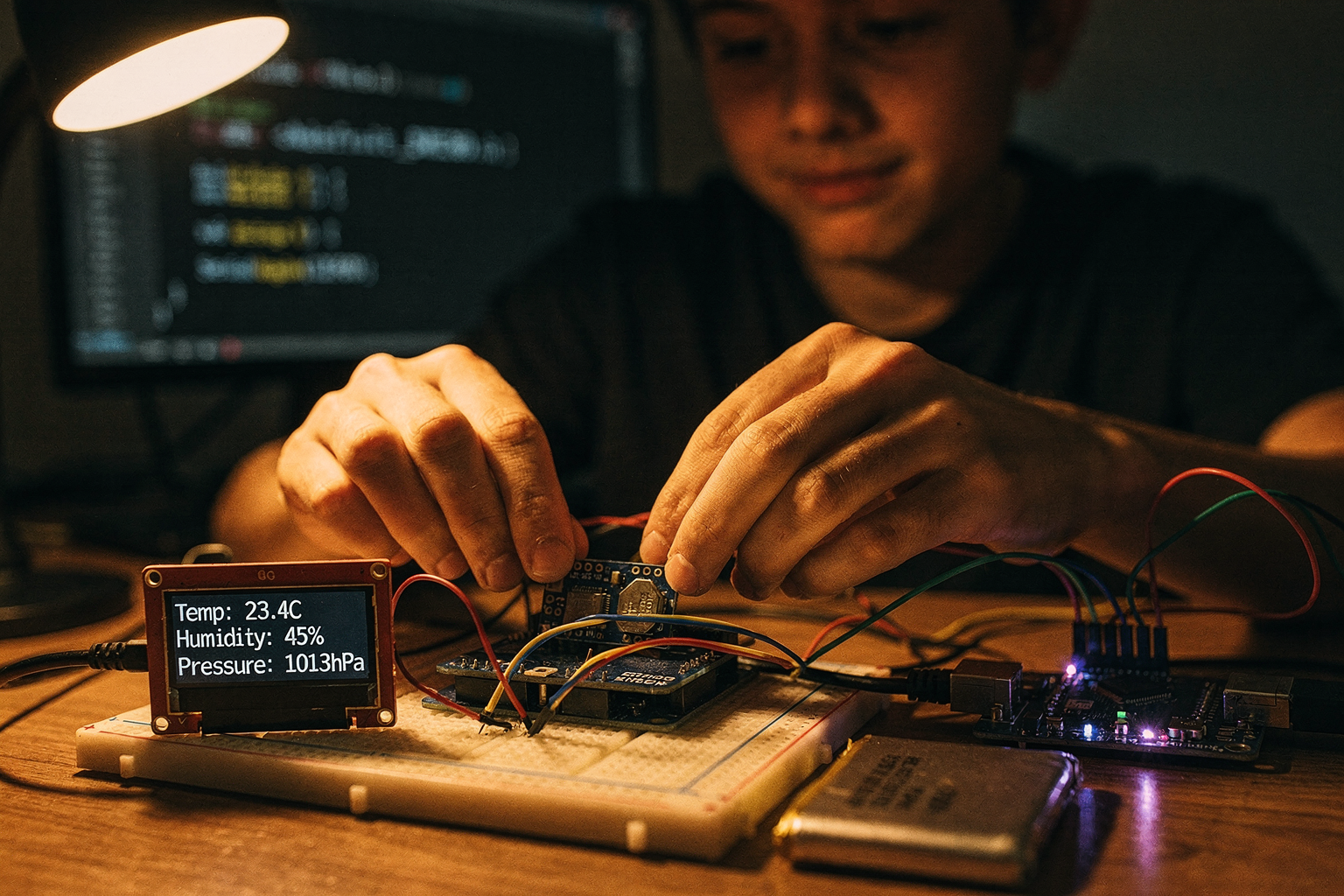
Circuit Design and Hardware Assembly
Let's build a practical project - a smart environmental sensor node using RISC-V. This project costs under ₹7,000 and can be completed in a weekend.
Components needed:
- RISC-V development board (₹3,500)
- BME280 temperature/humidity/pressure sensor (₹650)
- DHT11 backup sensor (₹80)
- OLED display (128x64, ₹450)
- ESP32 WiFi module for connectivity (₹600)
- Li-ion battery with charger (₹850)
Connect these components following the circuit diagram below. The BME280 communicates via I2C, while the OLED uses the same protocol, making wiring efficient.
Programming the RISC-V Processor
Here's a practical C++ example for reading sensor data
Ready to start building?
Explore our collection of DIY kits and components. All project components mentioned in this blog are available in our store.
Browse All Projects