

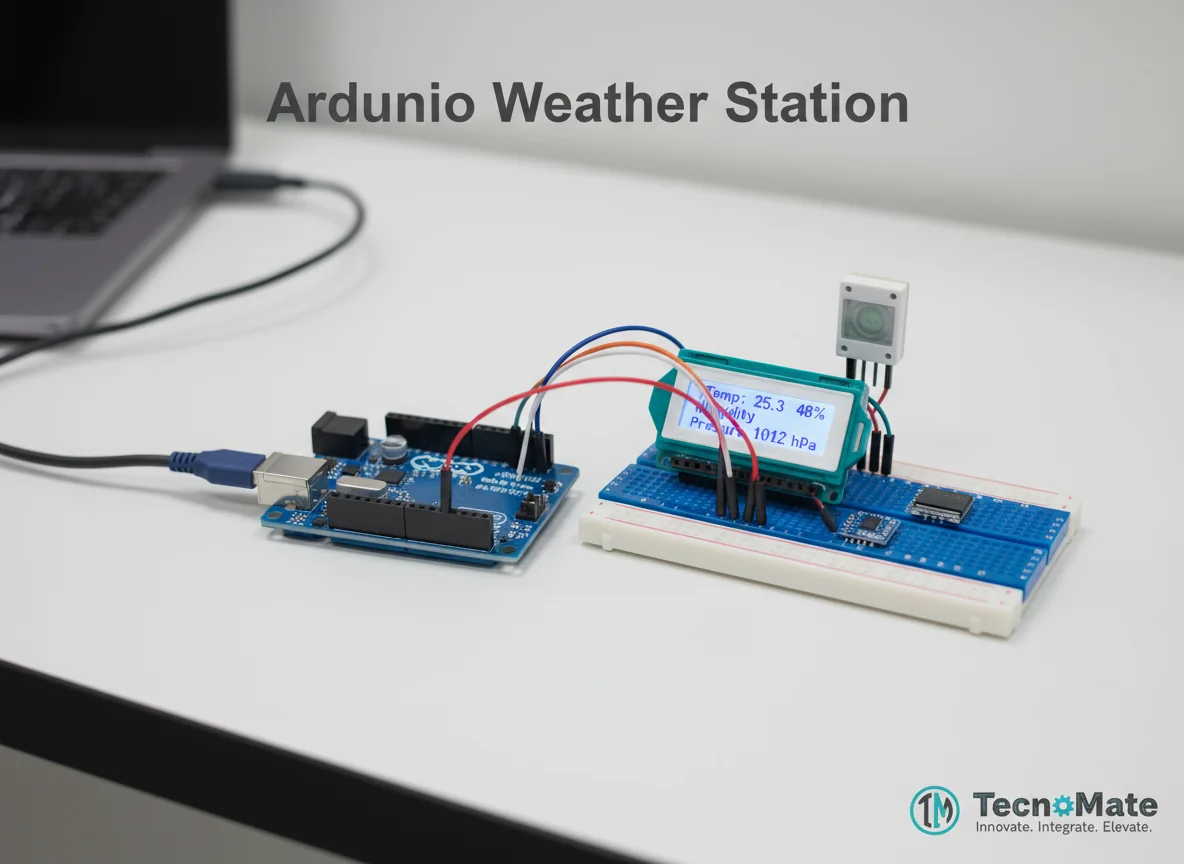
Arduino Weather Station
A multi-sensor environmental monitoring system that measures temperature, humidity, and atmospheric pressure and displays the readings locally on an LCD.
Inclusive of all taxes
- Secure payments via Razorpay
- 7-day returns on defective items
- GST invoice on every order
Free delivery on orders above ₹2,000
Delivers in 4-7 business days
Check delivery at your pincode
₹3131.00
Inclusive of all taxes

Components
7 items
Difficulty
Intermediate
Build Time
4-6 hours
Project Details
How It Works
 How It Works
The system operates through a coordinated data acquisition and display process. The DHT22 sensor measures temperature and humidity using a capacitive humidity sensor and thermistor, outputting calibrated digital data. The BMP280 sensor measures atmospheric pressure using a piezoresistive MEMS sensor and communicates via I2C protocol. The Arduino Uno reads data from both sensors, processes the raw values, formats them into readable strings, and displays them on the 16x2 LCD screen. The I2C protocol allows multiple devices (BMP280 and LCD) to share the same two communication lines (SDA and SCL). The system continuously updates readings every 2 seconds, providing real-time environmental monitoring. The pressure data can be analyzed for weather trends: rising pressure indicates fair weather, while falling pressure suggests possible rain.
Prerequisites
Basic understanding of Arduino programming (variables, loops, functions), familiarity with electronic components (resistors, sensors), knowledge of how to install Arduino libraries, and experience with breadboard prototyping. Users should know how to upload code to an Arduino board and understand basic I2C communication concepts.
What's Included in the Kit
| Component | Qty | Price |
|---|---|---|
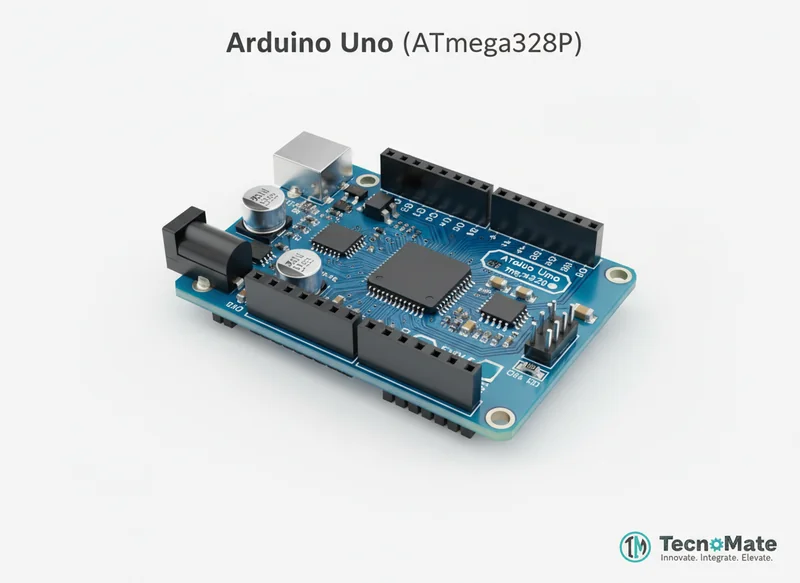 | 1 | ₹767.00 |
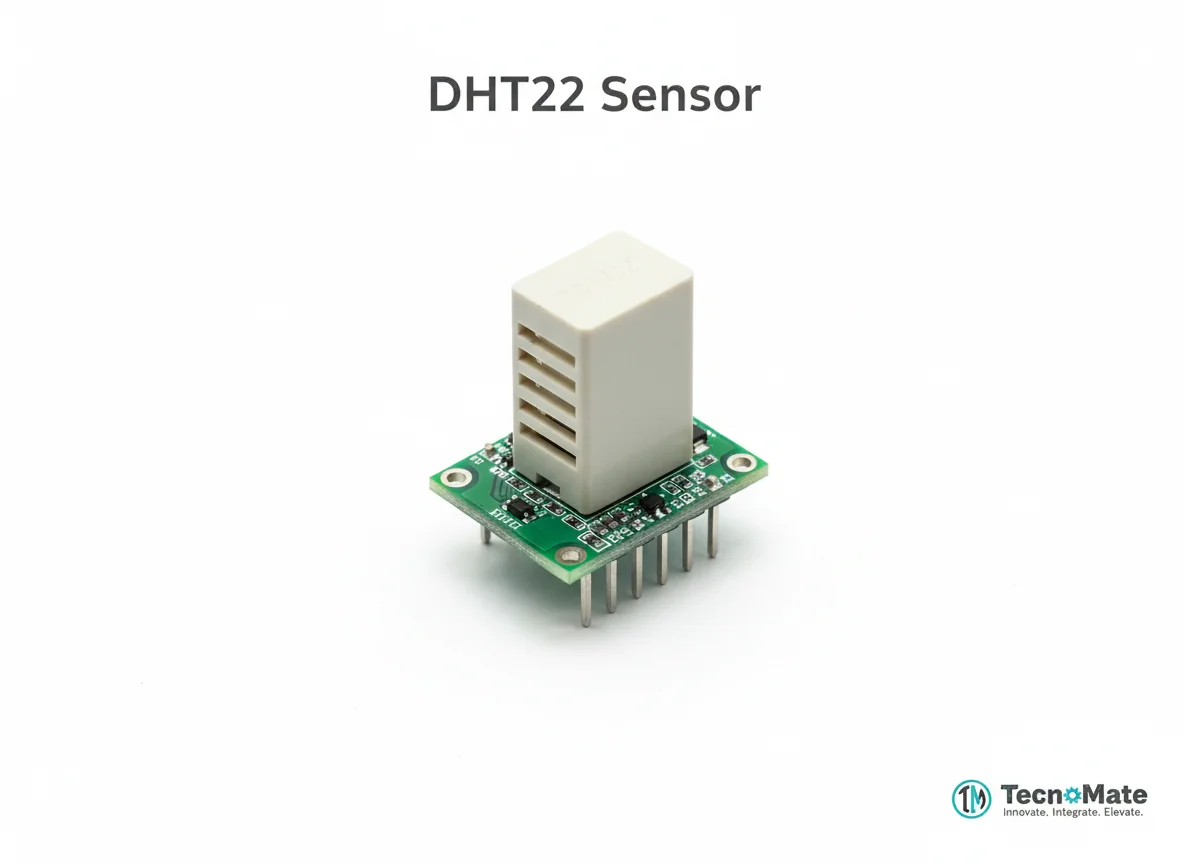 | 1 | ₹216.00 |
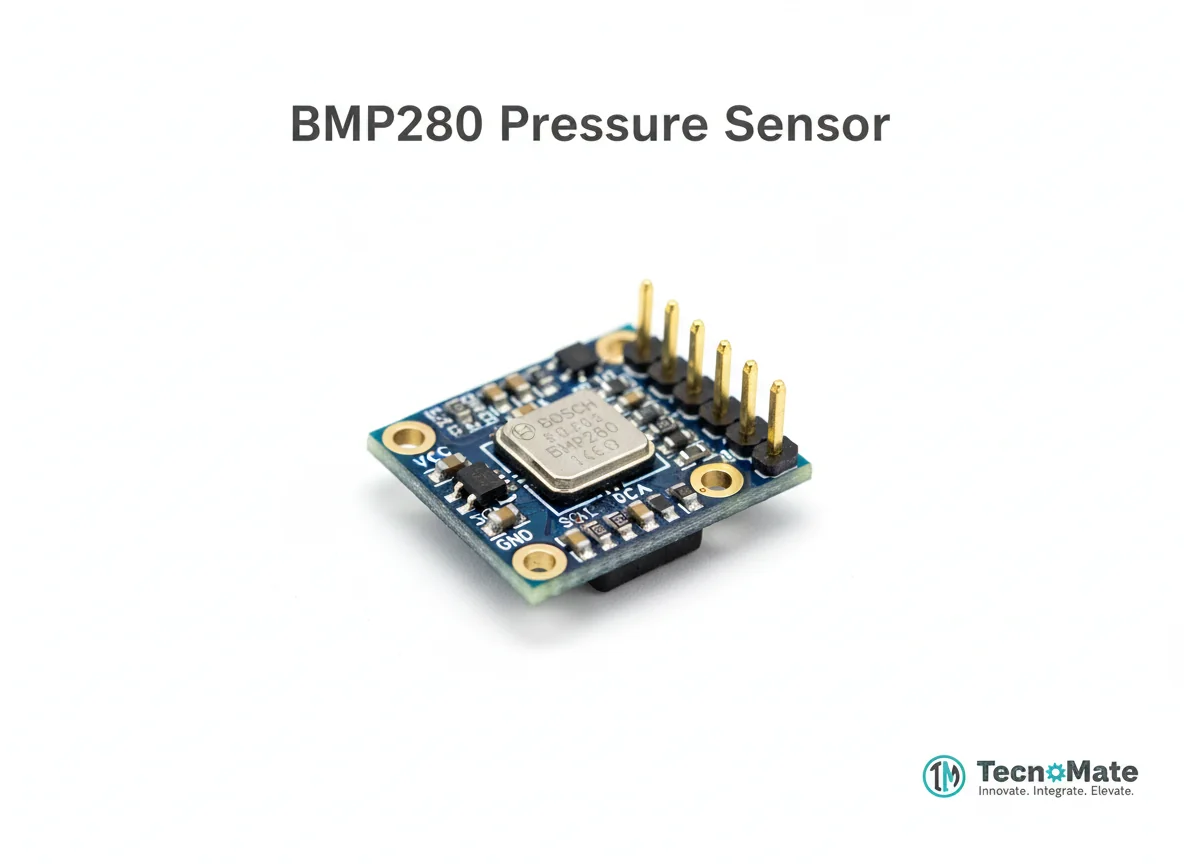 | 1 | ₹25.00 |
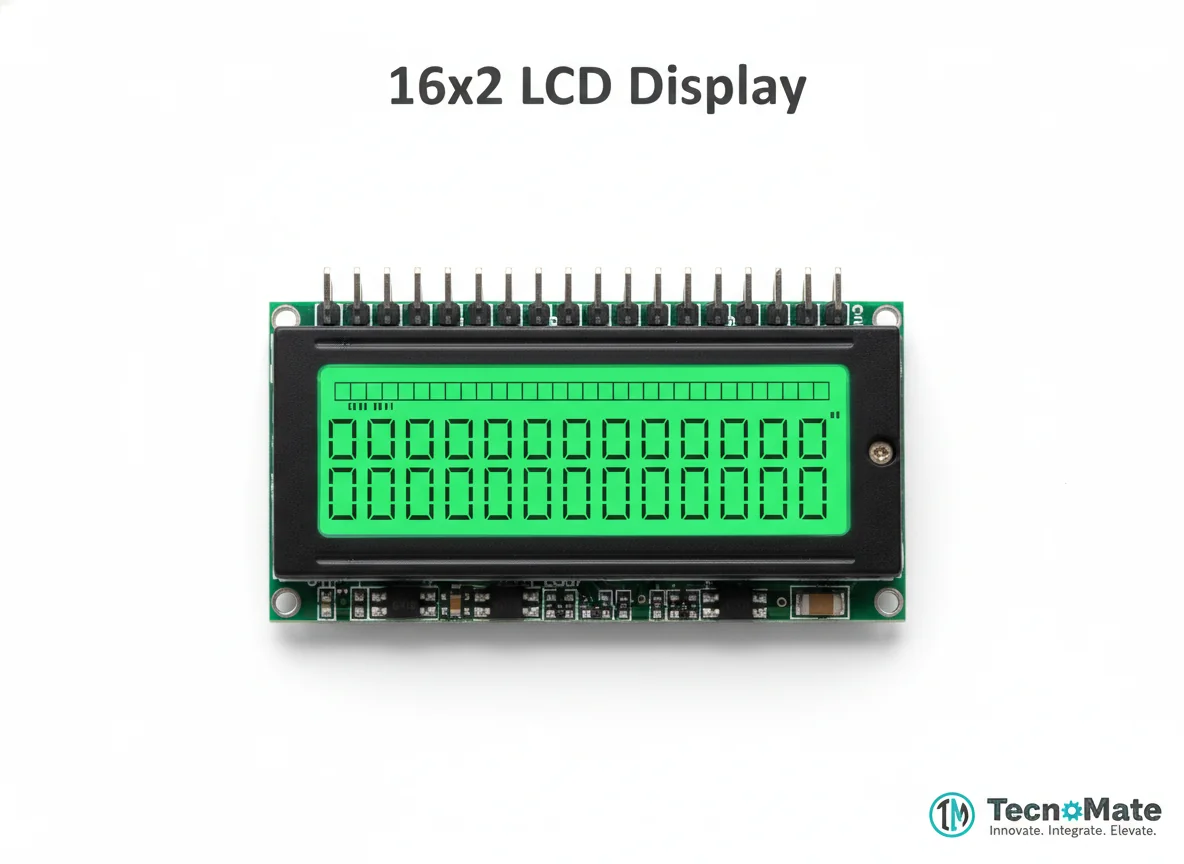 | 1 | ₹106.00 |
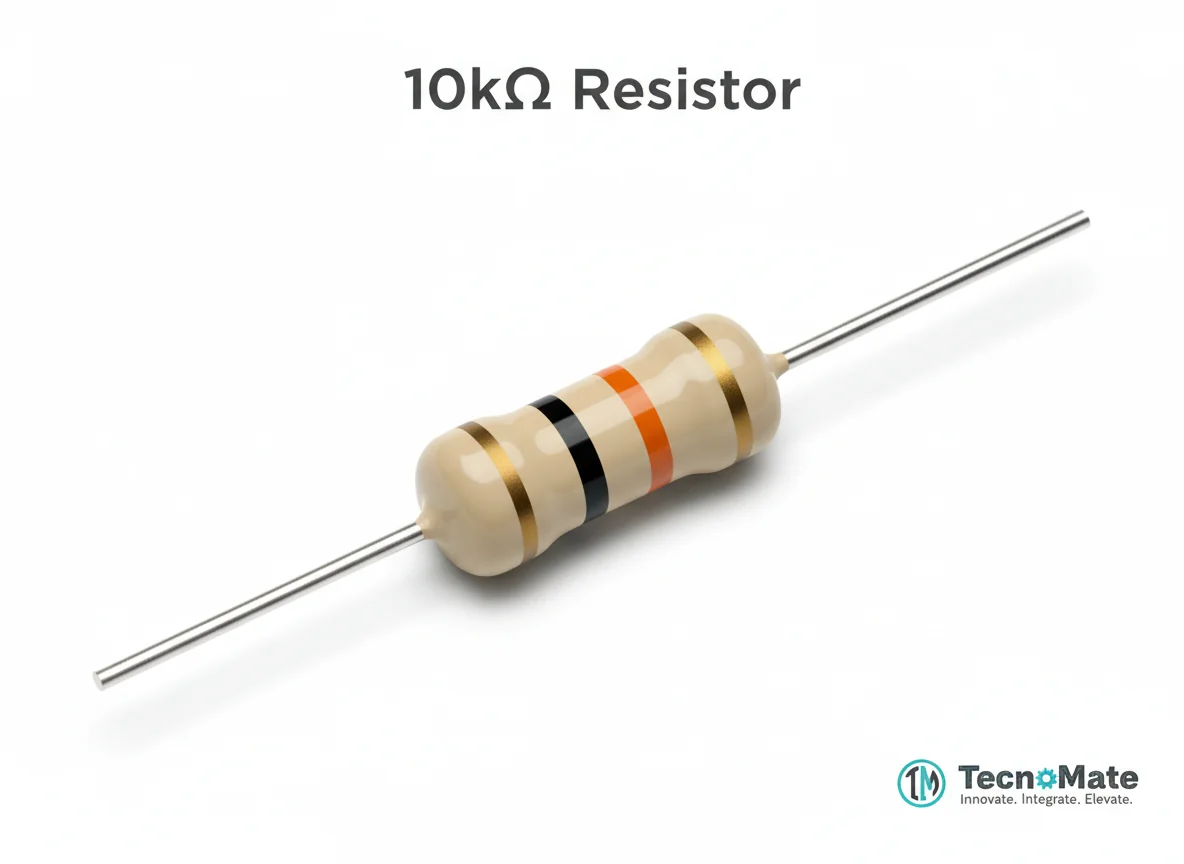 | 1 | ₹0.00 |
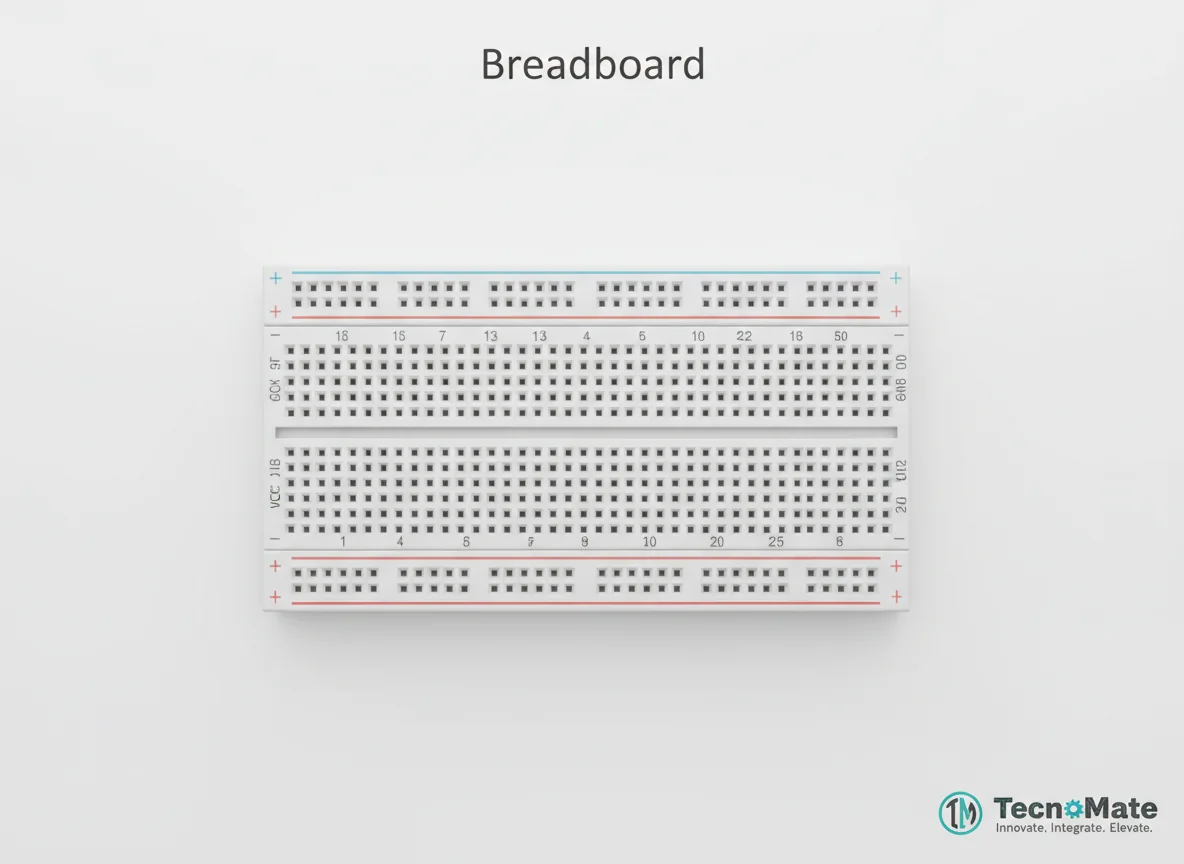 | 1 | ₹77.00 |
 | 1 | ₹171.00 |
Operating Instructions
Product images are for illustration purposes only. Actual products may differ in appearance, packaging, or specifications. See our Terms of Service.