

ESP32 Deep Sleep Mode
Implement ESP32 Deep Sleep mode to reduce power consumption and wake the device periodically or via external triggers.
Inclusive of all taxes
- Secure payments via Razorpay
- 7-day returns on defective items
- GST invoice on every order
Free delivery on orders above ₹2,000
Delivers in 4-7 business days
Check delivery at your pincode
₹2708.00
Inclusive of all taxes

Components
6 items
Difficulty
Intermediate
Build Time
30 – 45 minutes
Project Details
How It Works
 How It Works
The ESP32 Deep Sleep mode works by turning off most of the internal components including the CPU, Wi-Fi, Bluetooth, and most peripherals, while keeping the RTC (Real-Time Clock) and a small portion of memory powered. The device can be configured to wake up either by a timer (using the internal RTC) or by an external signal on specific GPIO pins. When wake-up occurs, the ESP32 resets and starts executing code from the beginning of the setup() function, allowing it to perform tasks before going back to sleep.
Prerequisites
Basic knowledge of Arduino programming, understanding of GPIO pins and digital signals, familiarity with ESP32 board setup in Arduino IDE, and basic circuit assembly skills.
What You'll Learn
 What You'll Learn
Understanding different power consumption states of ESP32
Learning how to put ESP32 into deep sleep mode programmatically
Implementing wake-up from sleep using timers or external triggers
Strategies for extending battery life in IoT devices
Design principles for energy-efficient embedded systems
Key Features
Reduces power consumption to microamps during idle periods
Device wakes up automatically after a configurable time interval
Device wakes up in response to external signals on specific GPIO pins
Extends battery life significantly for portable applications
Can be combined with various sensors for low-power monitoring
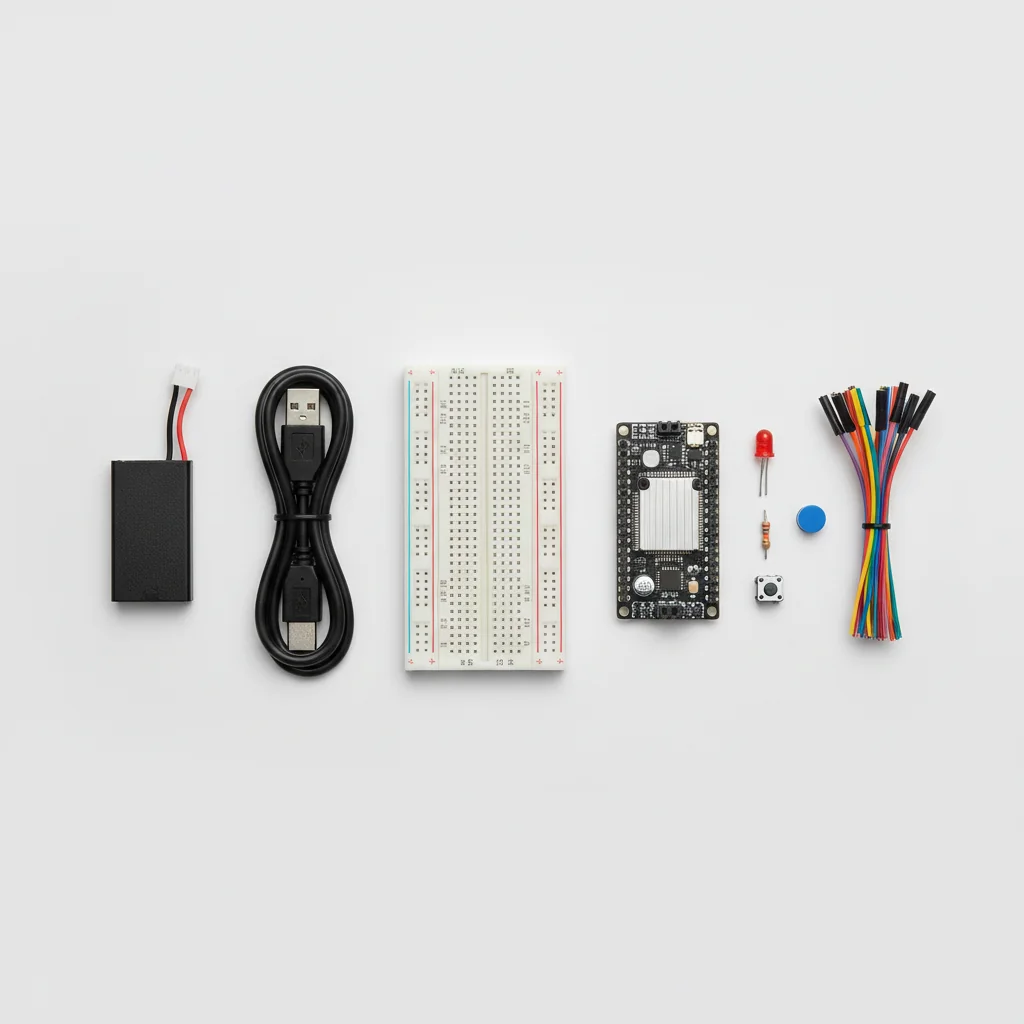
What's Included in the Kit
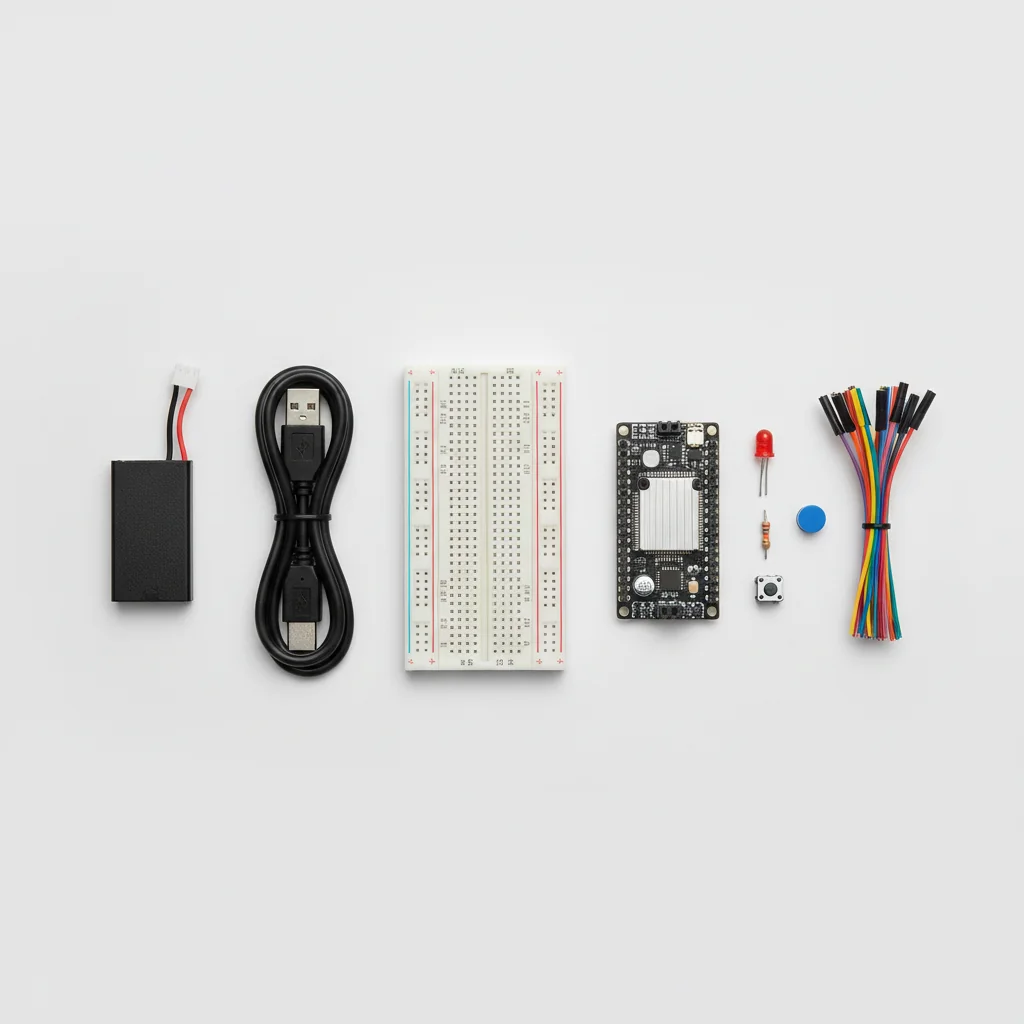
| Component | Qty | Price |
|---|---|---|
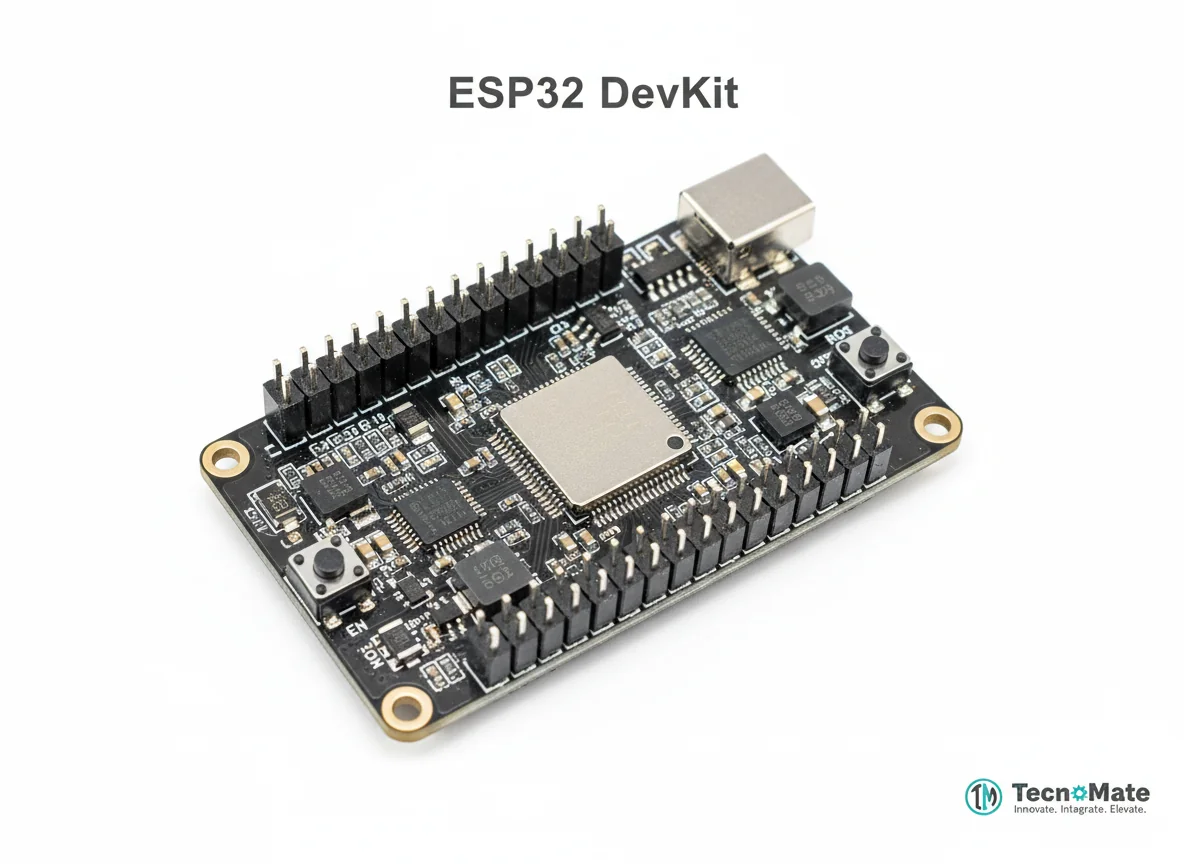 | 1 | ₹1682.00 |
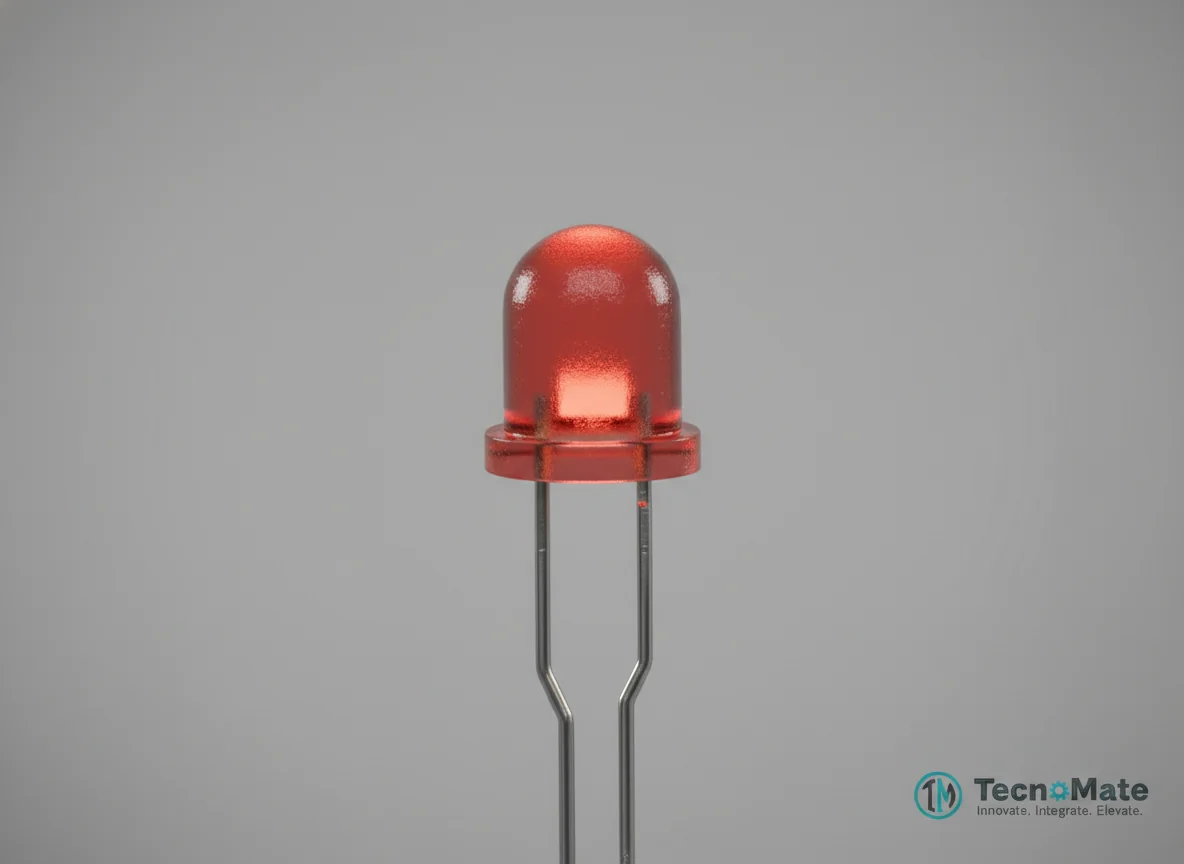 | 1 | ₹0.00 |
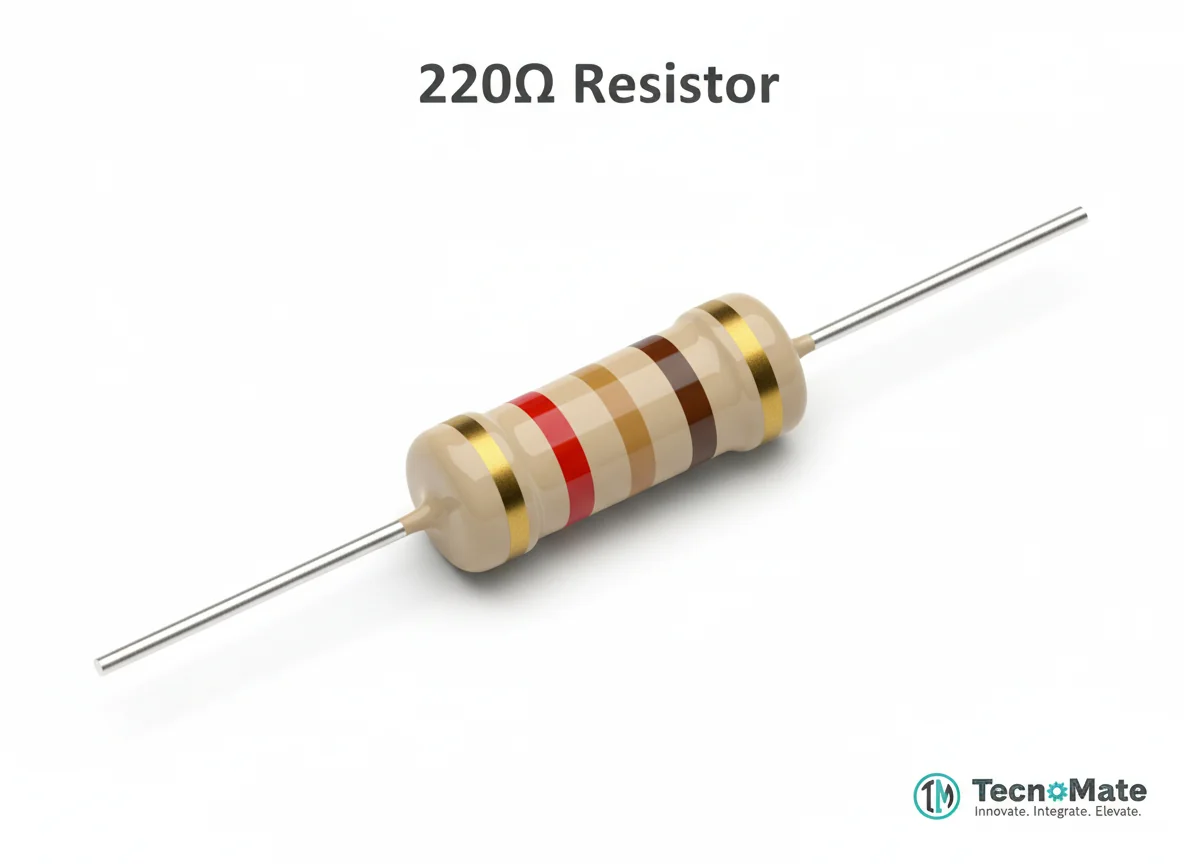 | 1 | ₹0.00 |
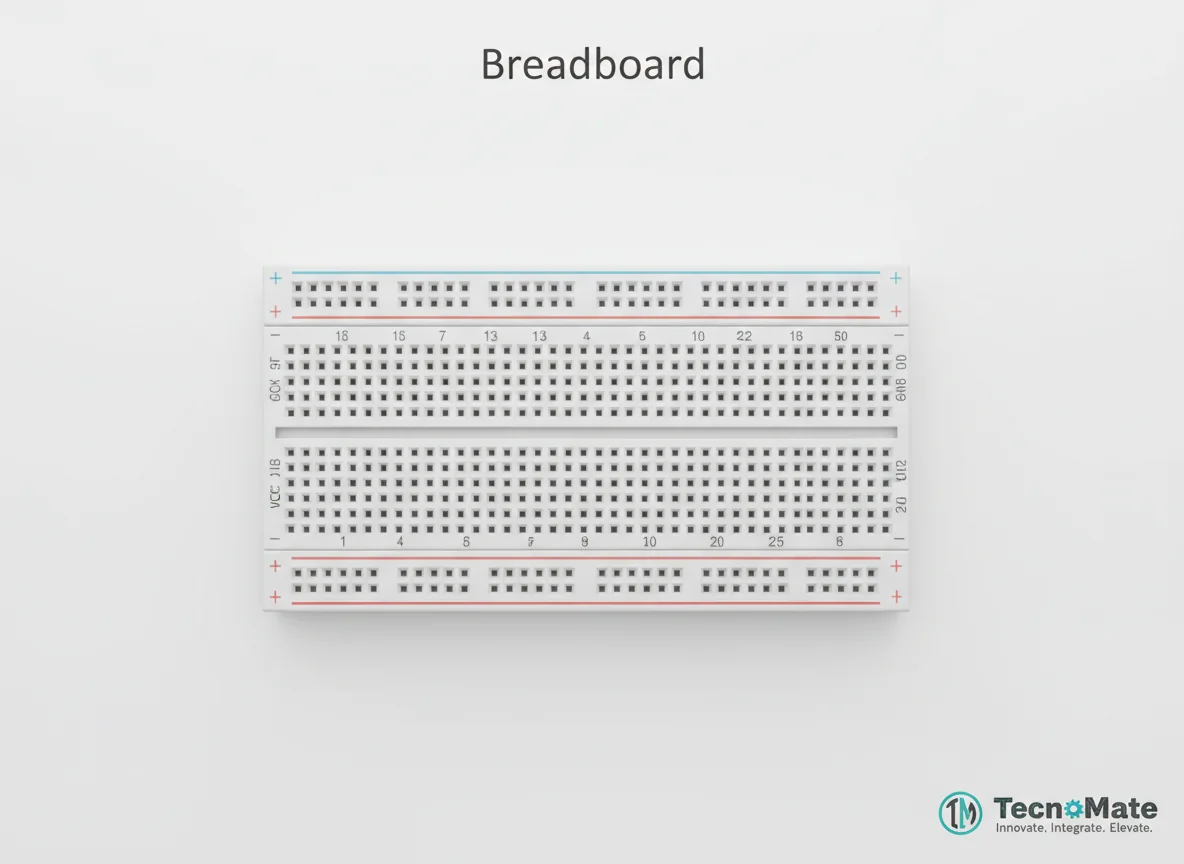 | 1 | ₹77.00 |
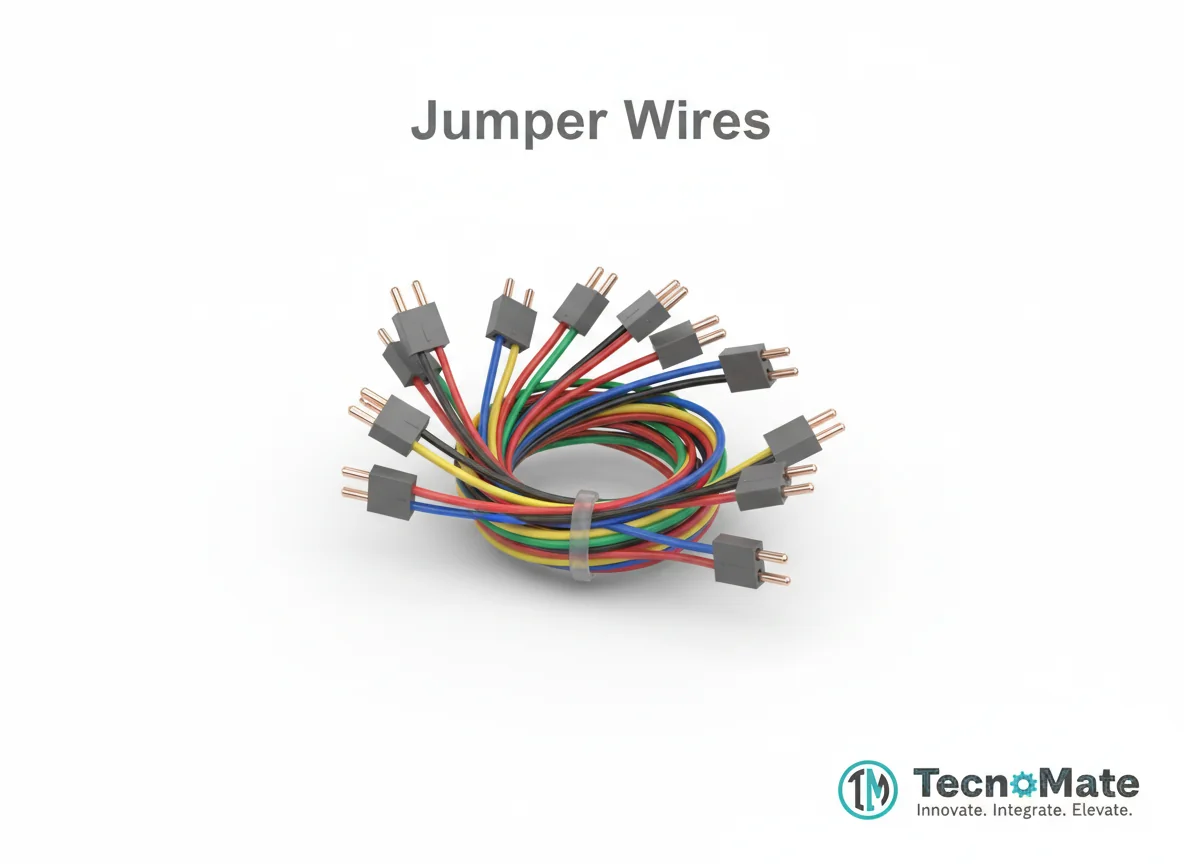 | 1 | ₹171.00 |
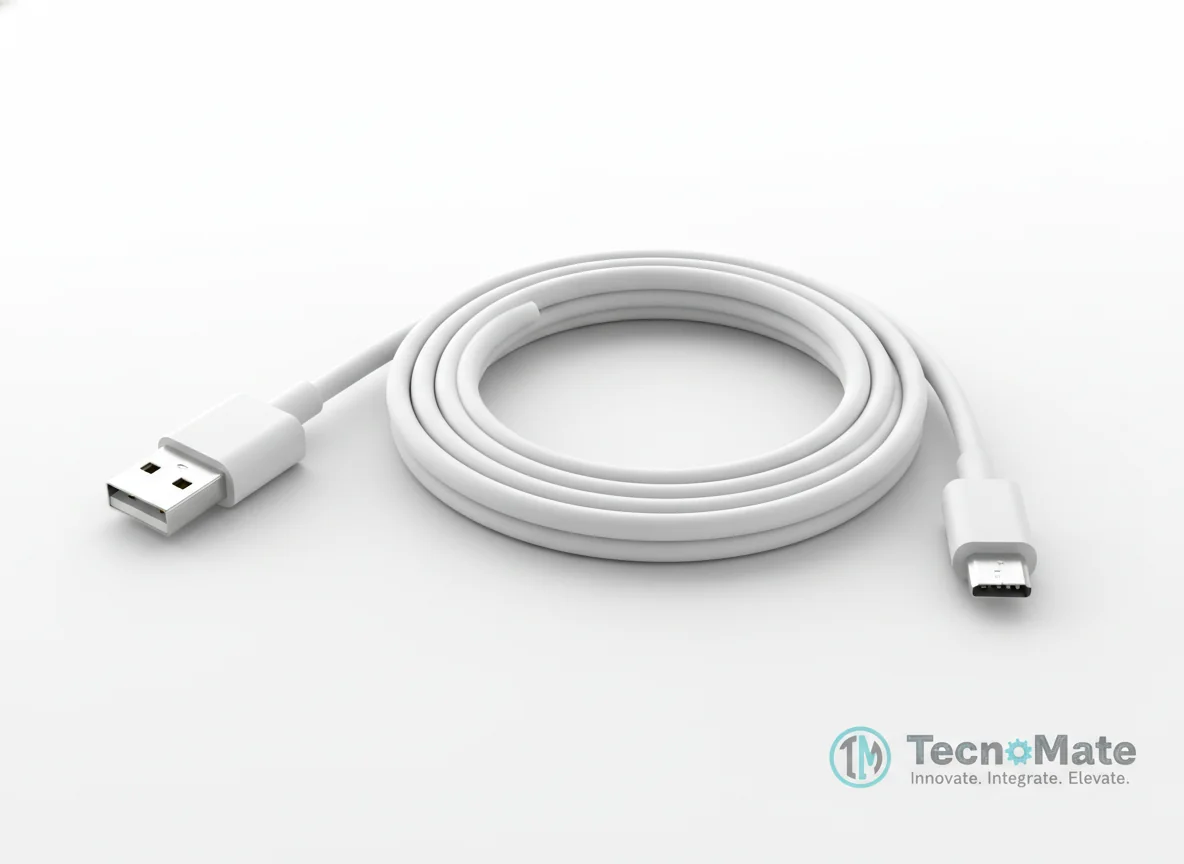 | 1 | ₹190.00 |
Operating Instructions
Pin Connections
 Pin Connections
| MCU Pin | Connected To | Purpose | Notes |
|---|---|---|---|
| GPIO 33 | Push Button / Sensor | External wake-up trigger | Must be an RTC GPIO pin |
| GND | Ground | Common ground reference | - |
Tools Required
 Tools Required
Safety Precautions
Electrical
- ⚠Disconnect power while wiring to avoid short circuits
- ⚠Use proper pull-up resistors for GPIO inputs
- ⚠Avoid floating GPIO pins to prevent unpredictable behavior
Operating
- ⚠Use stable battery sources for reliable operation
- ⚠Ensure proper voltage levels for ESP32 (3.3V)
Frequently Asked Questions
 Frequently Asked Questions
Q:How much power does ESP32 consume in deep sleep?
Q:Does ESP32 reset after waking up?
Q:Can Wi-Fi wake ESP32 from deep sleep?
Q:Which pins support wake-up?
Product images are for illustration purposes only. Actual products may differ in appearance, packaging, or specifications. See our Terms of Service.