

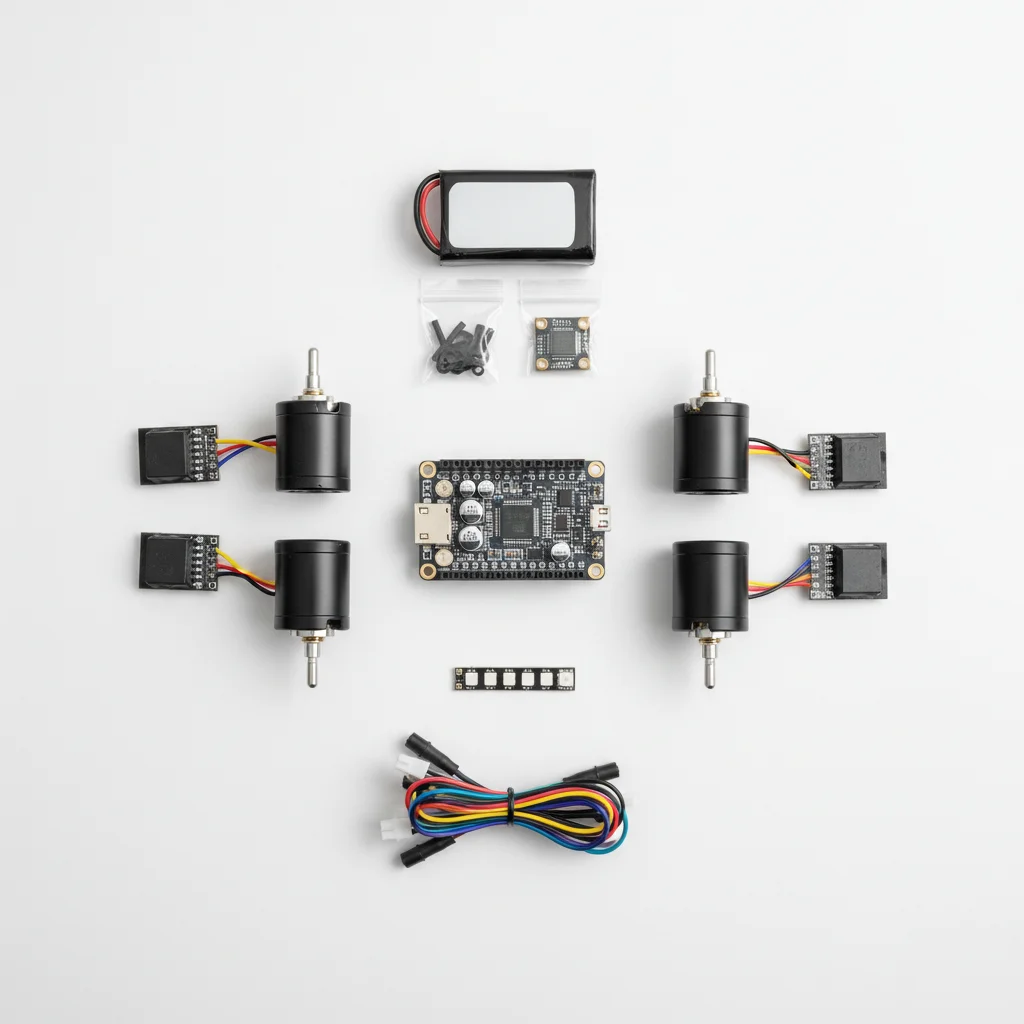
ESP32 Drone Projects
Build a drone using ESP32 as the main controller to fly, stabilize, and navigate using sensors and wireless communication.
Inclusive of all taxes
- Secure payments via Razorpay
- 7-day returns on defective items
- GST invoice on every order
Free delivery on orders above ₹2,000
Delivers in 4-7 business days
Check delivery at your pincode
₹10061.00
Inclusive of all taxes
Components
9 items
Difficulty
Advanced
Build Time
6 – 10 hours
Project Details
How It Works
 How It Works
The ESP32 reads orientation and acceleration data from the MPU6050 sensor. A PID (Proportional-Integral-Derivative) algorithm calculates the necessary adjustments to stabilize the drone based on sensor readings. The ESP32 then sends PWM signals to the ESCs, which control the speed of the brushless motors. The combination of motor speeds creates thrust and torque to maintain balance and follow remote commands. Optional GPS adds waypoint navigation capabilities.
Prerequisites
Basic knowledge of electronics and programming. Familiarity with Arduino IDE and C++ programming. Understanding of basic drone mechanics and safety protocols. Experience with I2C communication and PWM signals is helpful.
What You'll Learn
 What You'll Learn
Learn to generate PWM signals to control brushless motors via ESCs
Connect and read data from MPU6050 and optional GPS modules
Implement Proportional-Integral-Derivative control for drone stability
Set up Wi-Fi or Bluetooth for remote drone control
Develop firmware for real-time sensor processing and control
Key Features
Uses gyroscope and accelerometer data to maintain drone balance
Allows wireless control from mobile apps or controllers
Enables waypoint navigation and autonomous flight
Uses affordable components for DIY drone building
What's Included in the Kit
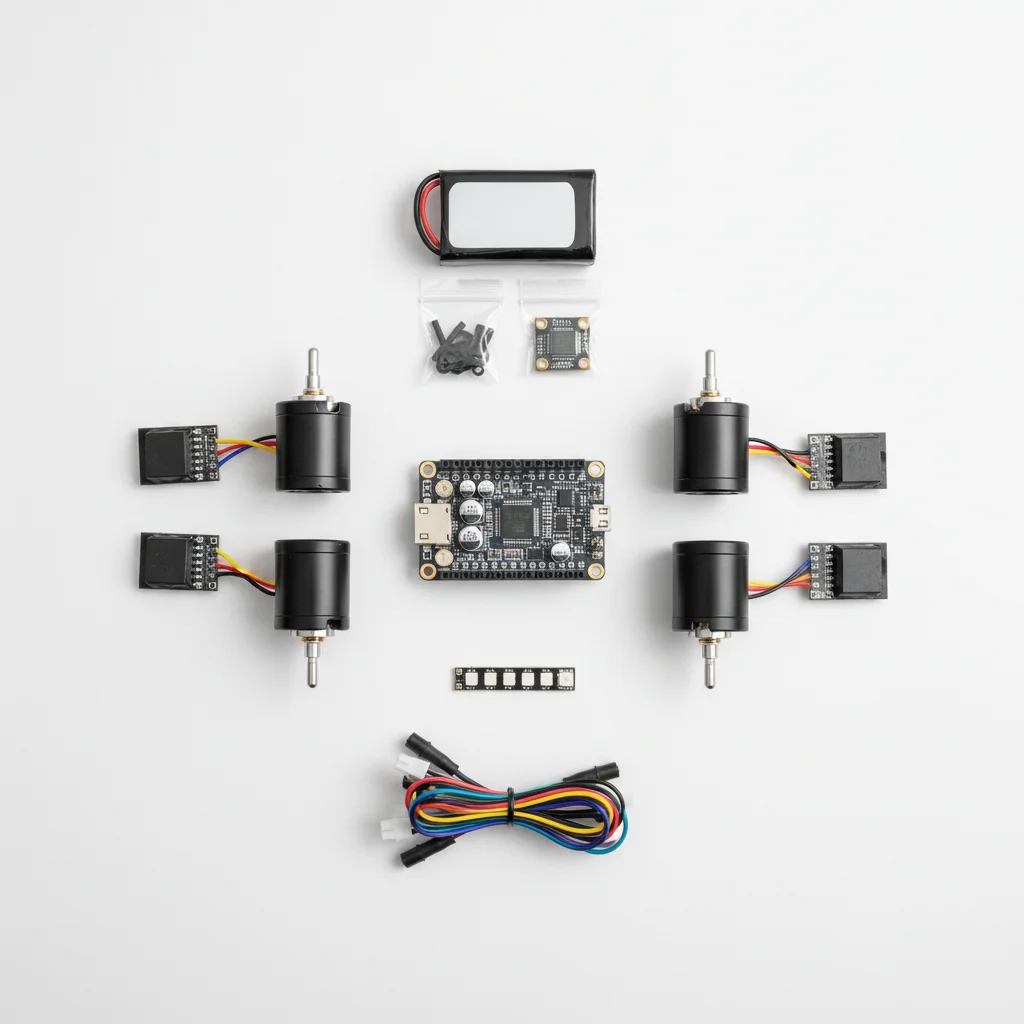
| Component | Qty | Price |
|---|---|---|
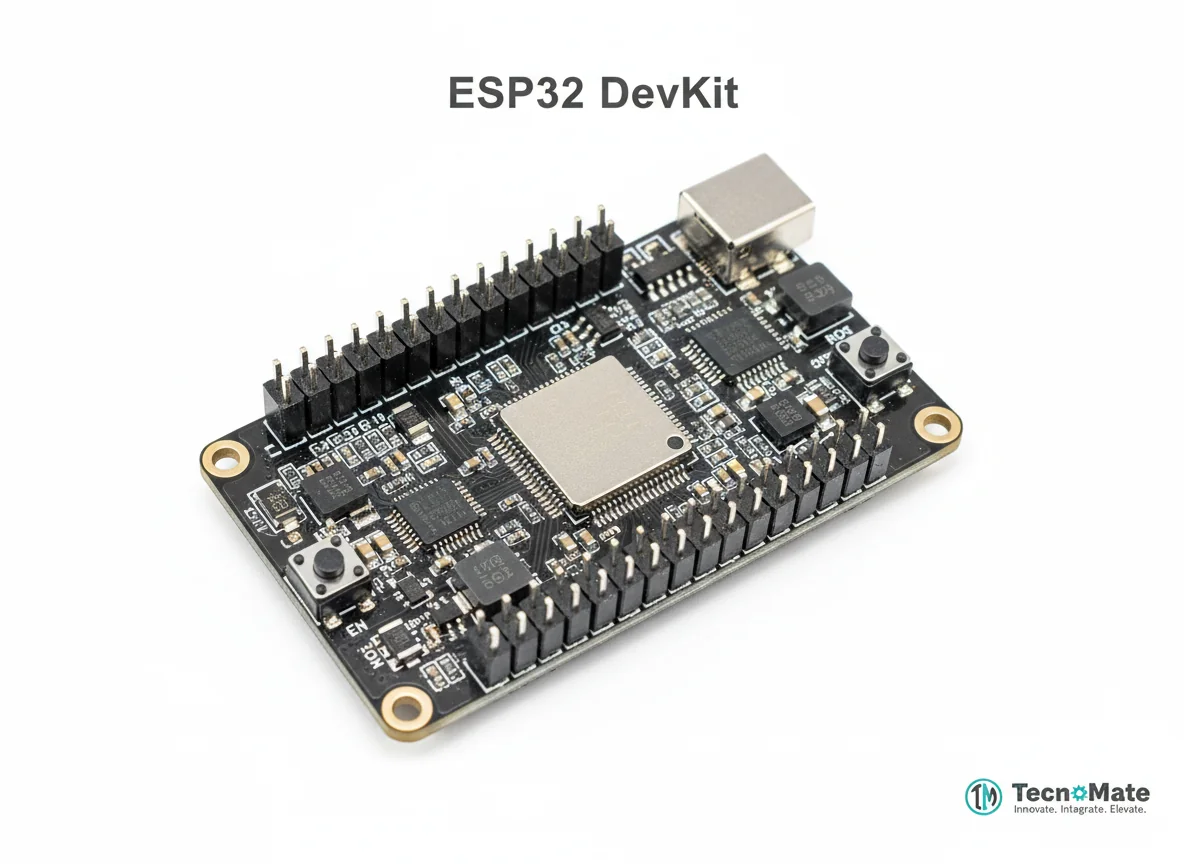 | 1 | ₹0.00 |
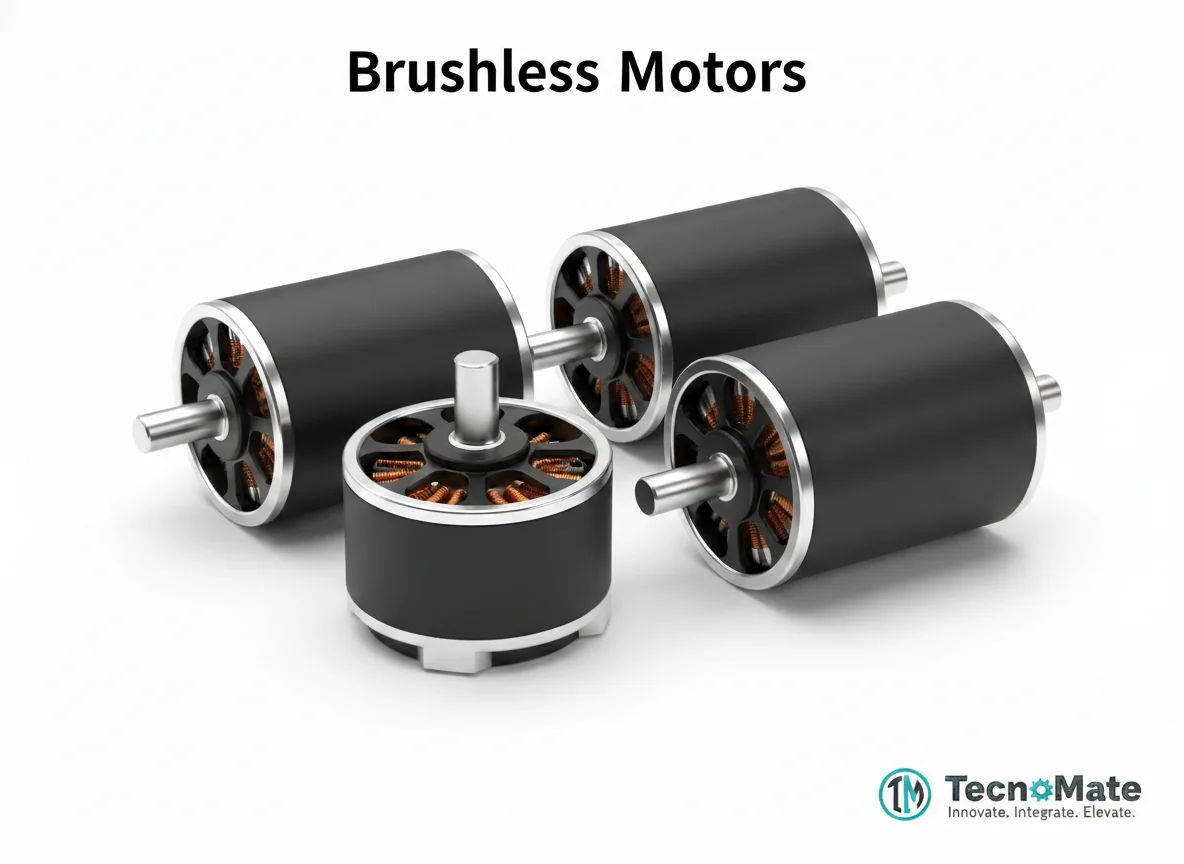 | 4 | ₹2124.00₹531.00 × 4 |
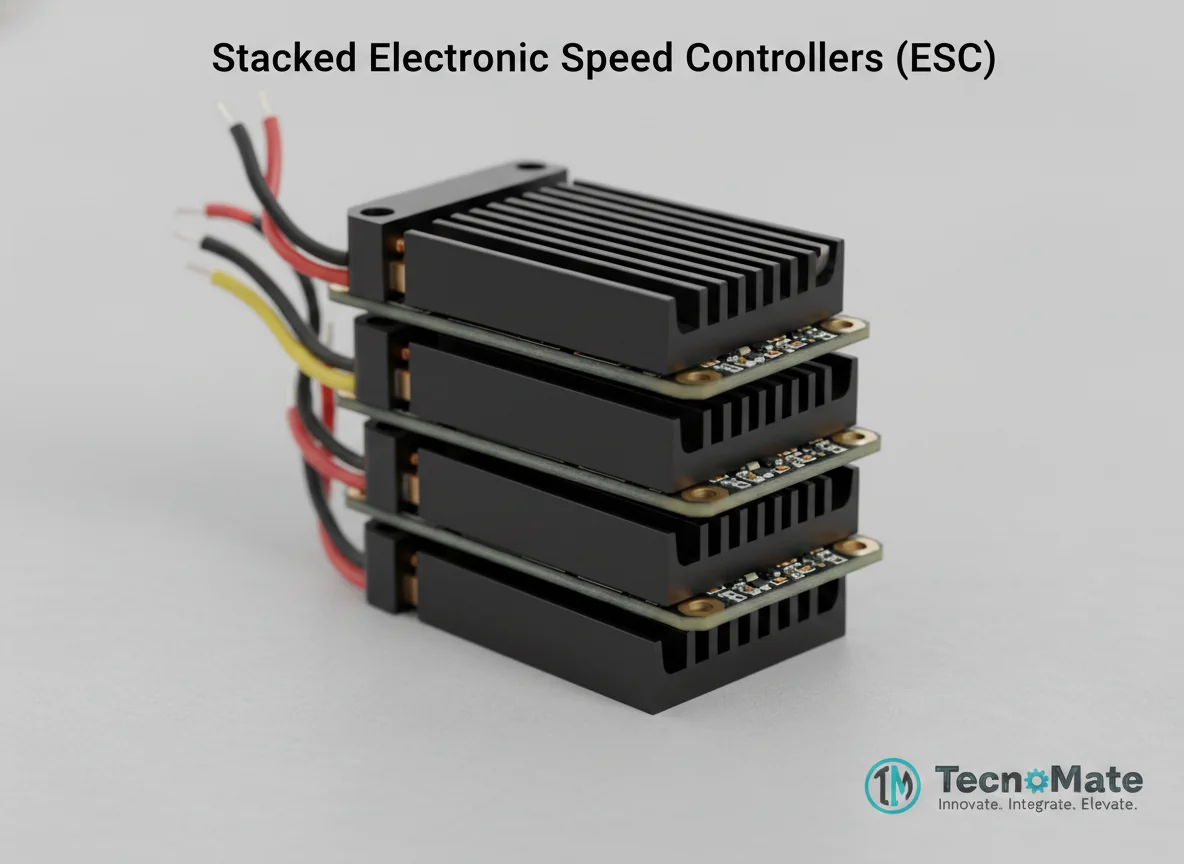 | 4 | ₹0.00₹0.00 × 4 |
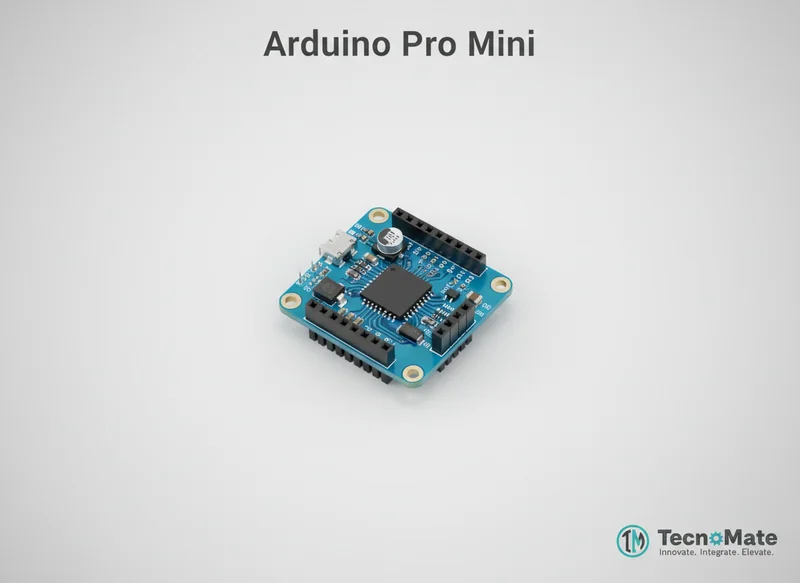 | 4 | ₹0.00₹0.00 × 4 |
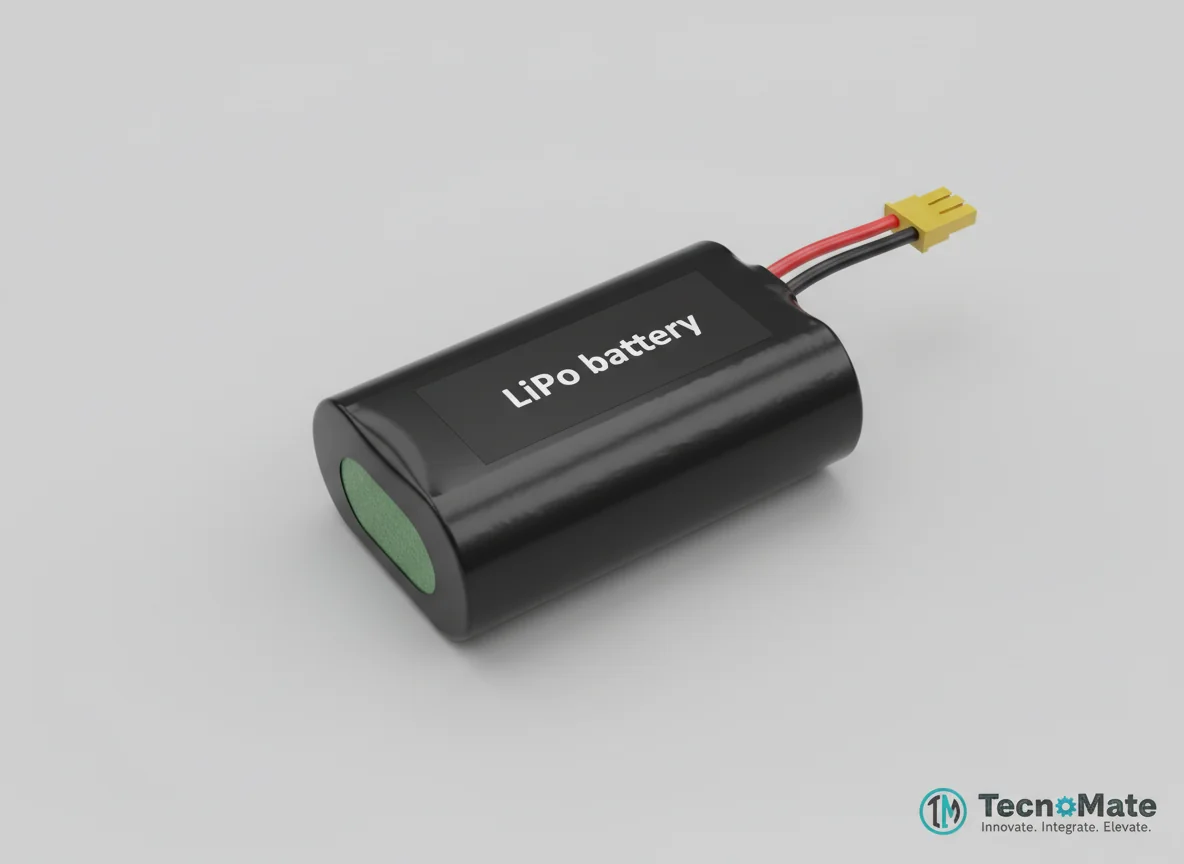 | 1 | ₹142.00 |
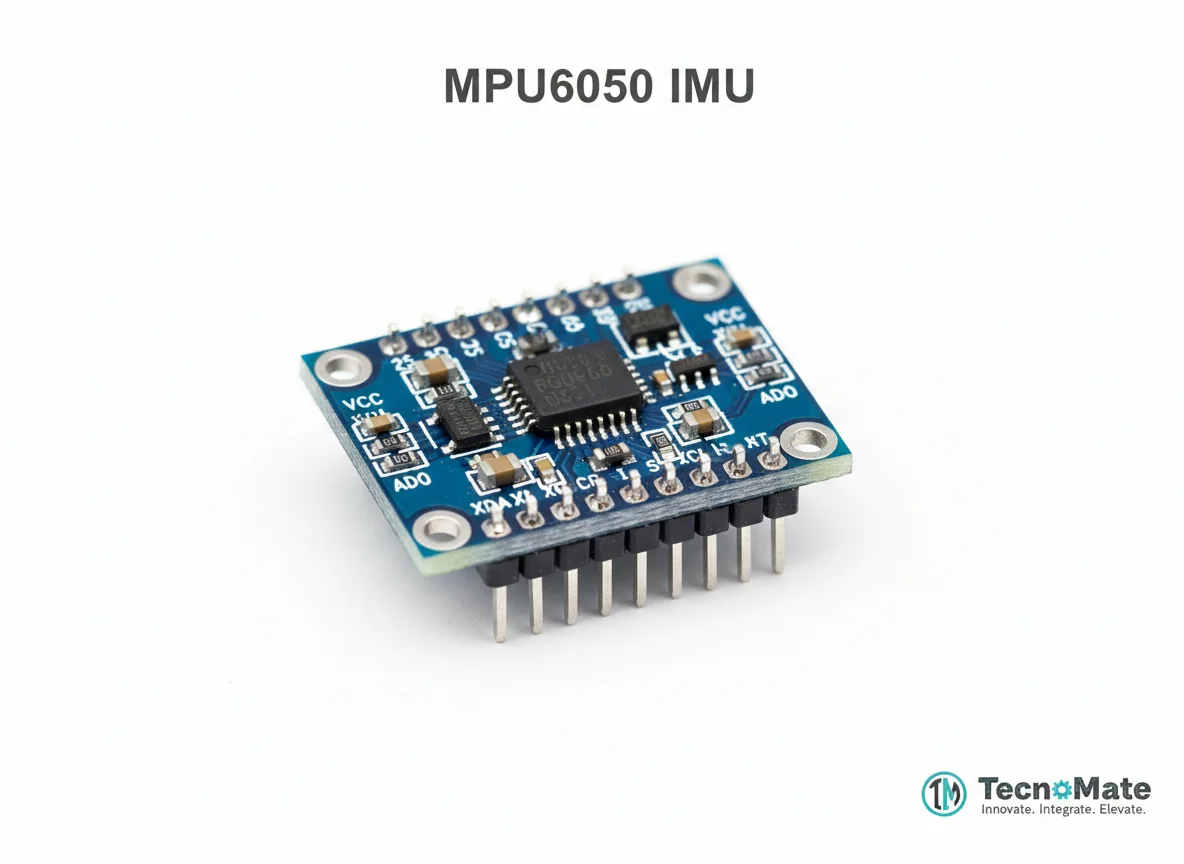 | 1 | ₹0.00 |
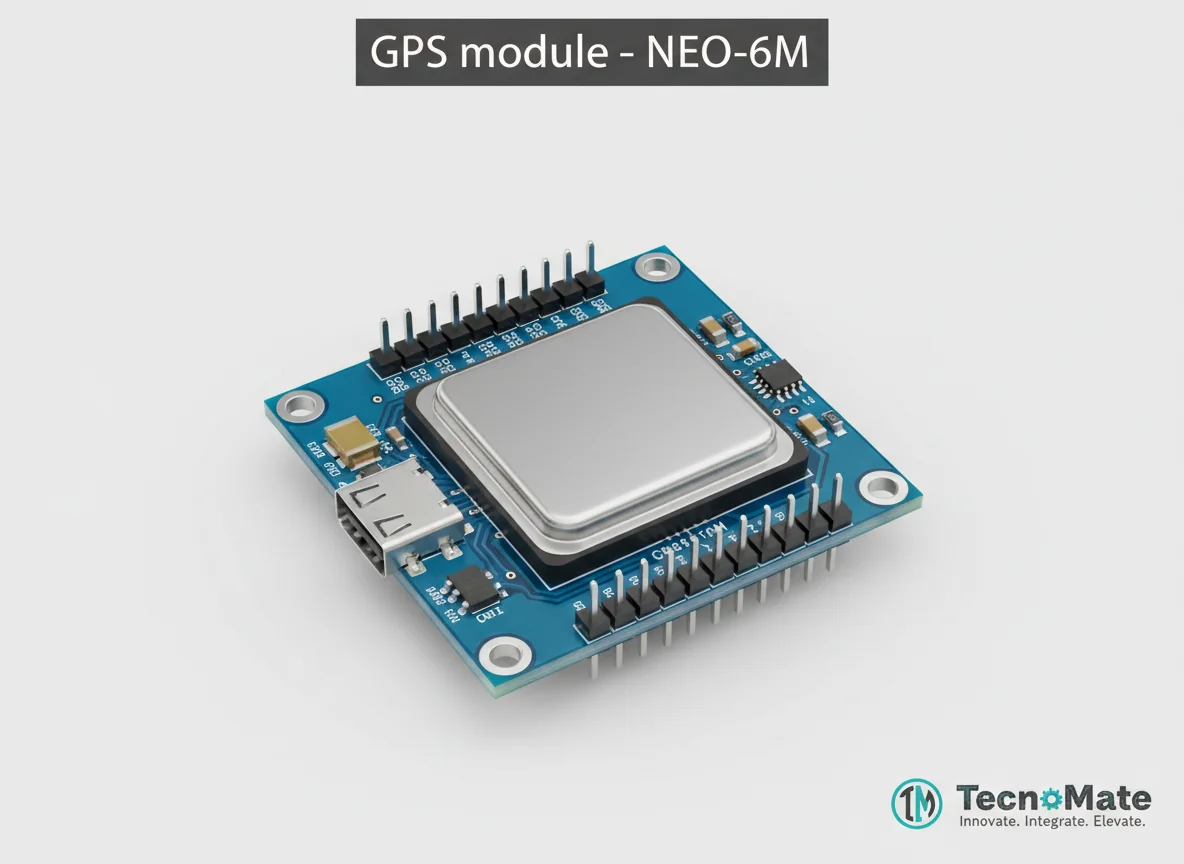 | 1 | ₹557.00 |
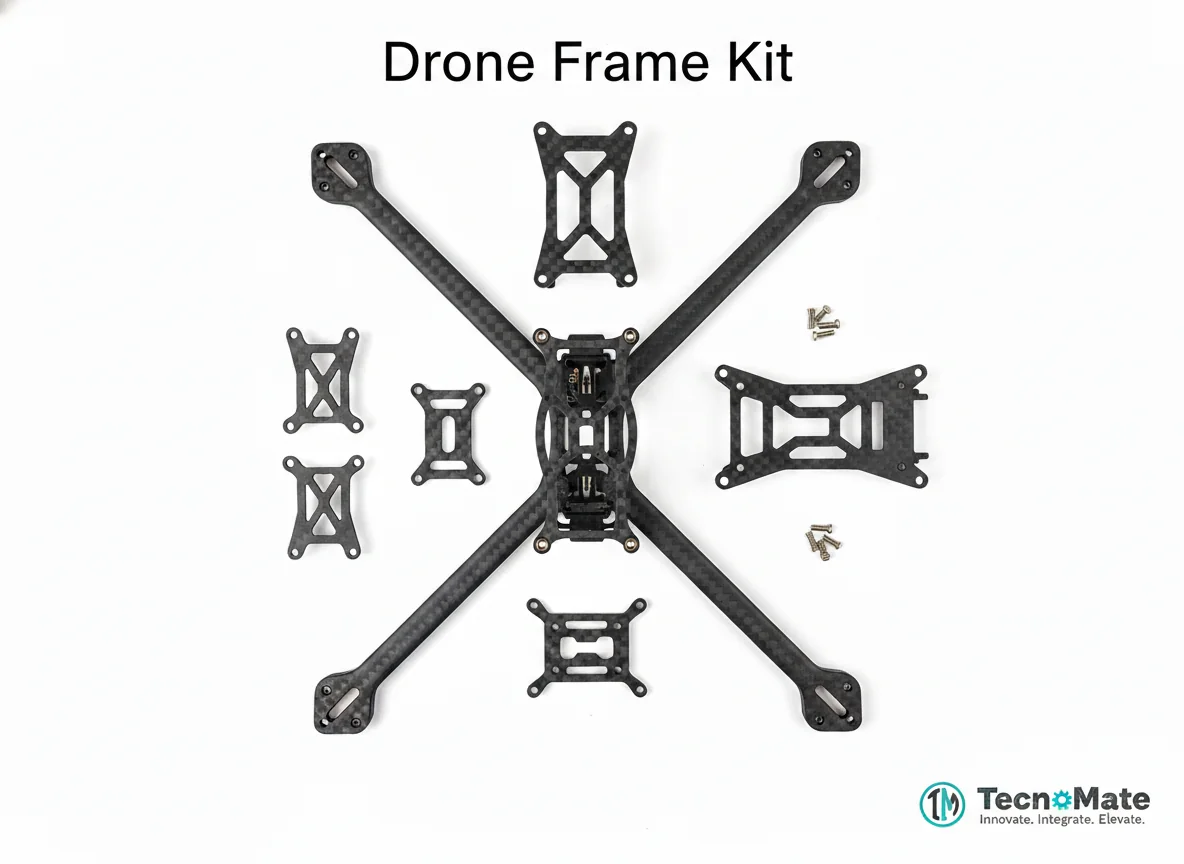 | 1 | ₹1168.00 |
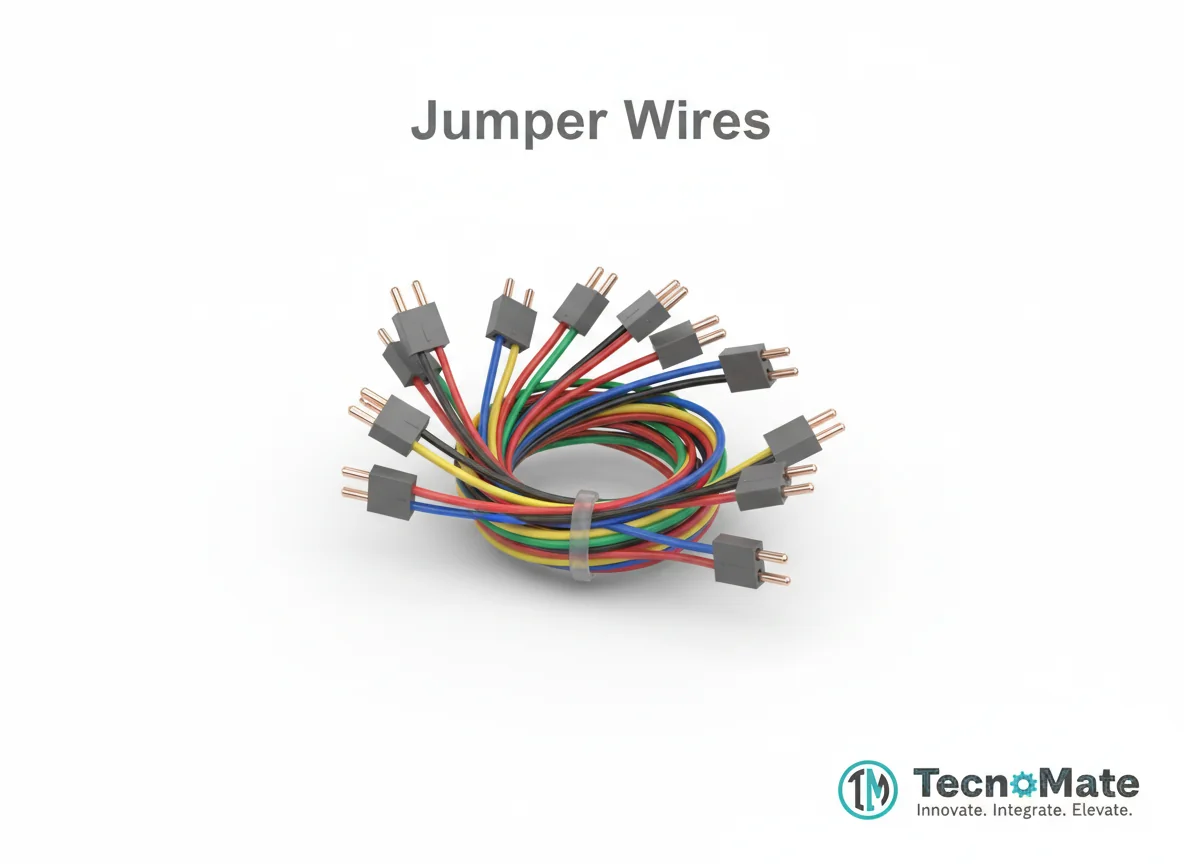 | 1 | ₹171.00 |
Operating Instructions
Pin Connections
 Pin Connections
| MCU Pin | Connected To | Purpose | Notes |
|---|---|---|---|
| GPIO 14 | Motor 1 PWM | PWM signal for motor speed control | Connect to ESC signal input |
| GPIO 27 | Motor 2 PWM | PWM signal for motor speed control | Connect to ESC signal input |
| GPIO 26 | Motor 3 PWM | PWM signal for motor speed control | Connect to ESC signal input |
| GPIO 25 | Motor 4 PWM | PWM signal for motor speed control | Connect to ESC signal input |
| SDA | MPU6050 SDA | I2C data line for sensor communication | Standard I2C connection |
| SCL | MPU6050 SCL | I2C clock line for sensor communication | Standard I2C connection |
Tools Required
 Tools Required
Safety Precautions
Electrical
- ⚠Handle Li-Po batteries safely - they can catch fire if damaged or improperly charged
- ⚠Ensure ESCs are powered by battery directly, not ESP32
- ⚠Use proper insulation for all electrical connections
Operating
- ⚠Fly in open areas away from people and obstacles
- ⚠Wear protective gear including eye protection
- ⚠Ensure propellers are off when testing or making adjustments
Handling
- ⚠Keep propellers sharp edges away from fingers
- ⚠Do not charge Li-Po batteries unattended
- ⚠Store batteries in fireproof container when not in use
Frequently Asked Questions
 Frequently Asked Questions
Q:Can ESP32 handle full drone flight?
Q:Can I use Bluetooth for control?
Q:Is GPS necessary?
Product images are for illustration purposes only. Actual products may differ in appearance, packaging, or specifications. See our Terms of Service.