

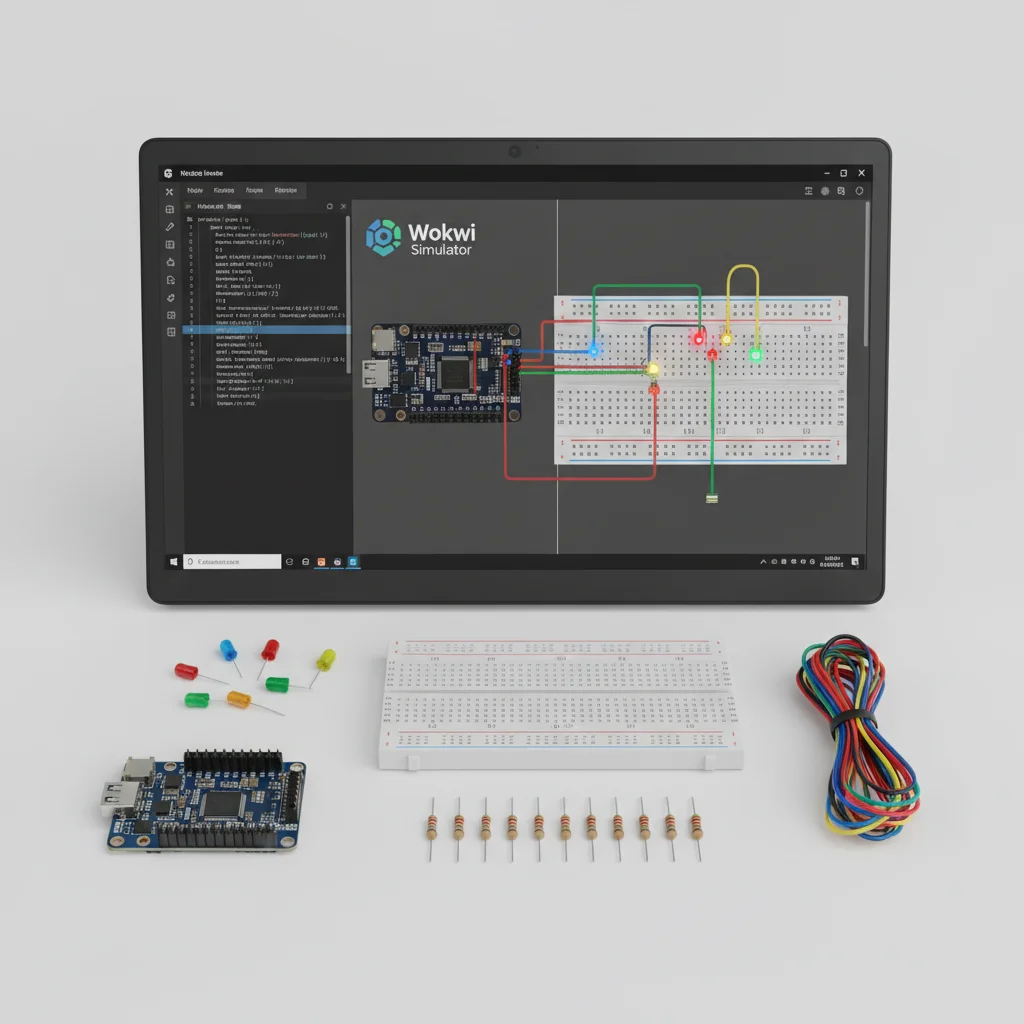
ESP32 LED Chaser (Wokwi Simulator)
Build an ESP32 LED chaser using the Wokwi simulator to learn GPIO control, loops, and timing without physical hardware.
Inclusive of all taxes
- Secure payments via Razorpay
- 7-day returns on defective items
- GST invoice on every order
Free delivery on orders above ₹2,000
Delivers in 4-7 business days
Check delivery at your pincode
₹1256.00
Inclusive of all taxes

Components
5 items
Difficulty
Beginner
Build Time
30-40 minutes
Project Details
How It Works
 How It Works
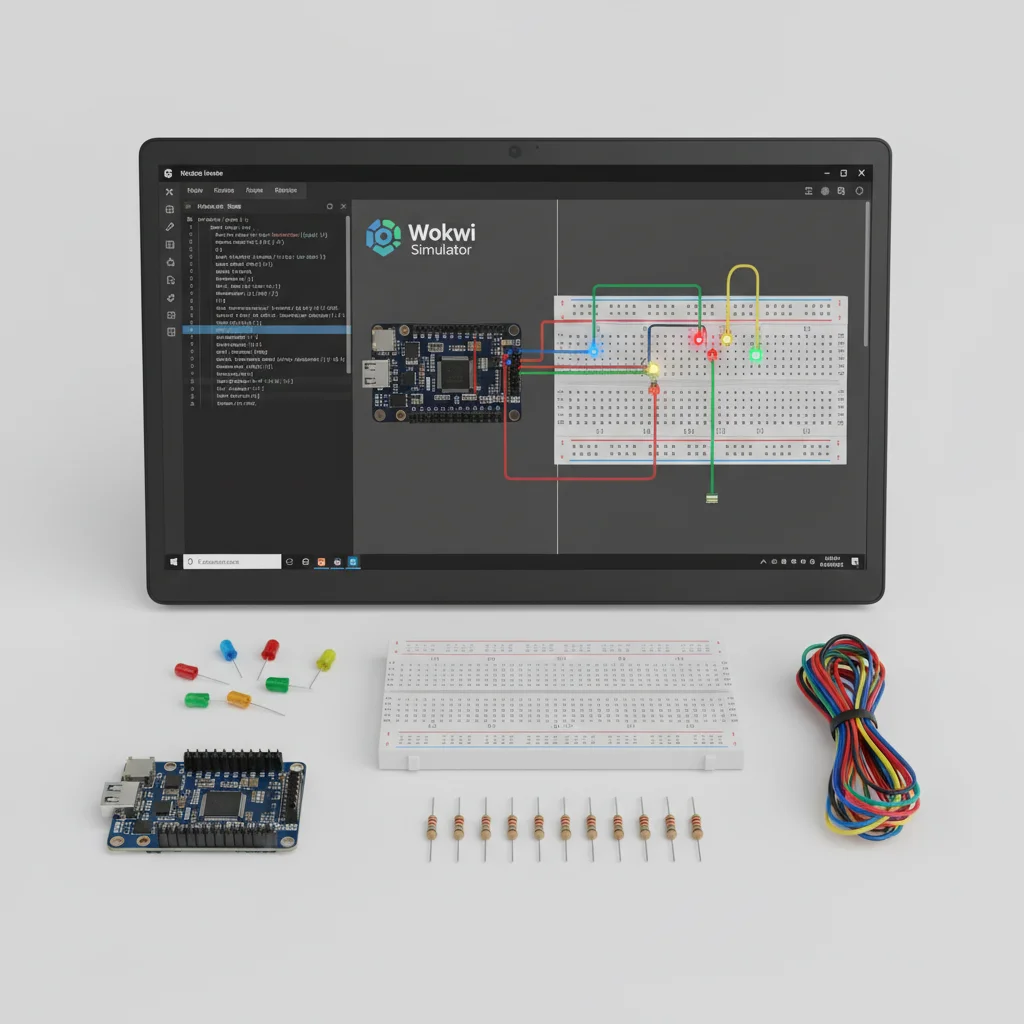
The ESP32 controls 5 LEDs connected to GPIO pins 2, 4, 5, 18, and 19. The code uses for loops to turn each LED ON and OFF in sequence, creating a forward and reverse chaser effect. Each LED is turned HIGH for 200ms, then LOW, before moving to the next LED. The pattern repeats continuously in the loop() function.
Prerequisites
Basic understanding of programming concepts (variables, loops, functions). No prior ESP32 or electronics experience required.
What You'll Learn
 What You'll Learn
Learn how to control GPIO pins on ESP32
Understand for loops and timing in embedded programming
Create running light patterns with LEDs
Test and visualize projects without physical hardware
Key Features
Complete project in simulation environment
Simple code and concepts for newcomers
Visual feedback and instant testing
Simple to add more LEDs or change patterns
What's Included in the Kit
| Component | Qty | Price |
|---|---|---|
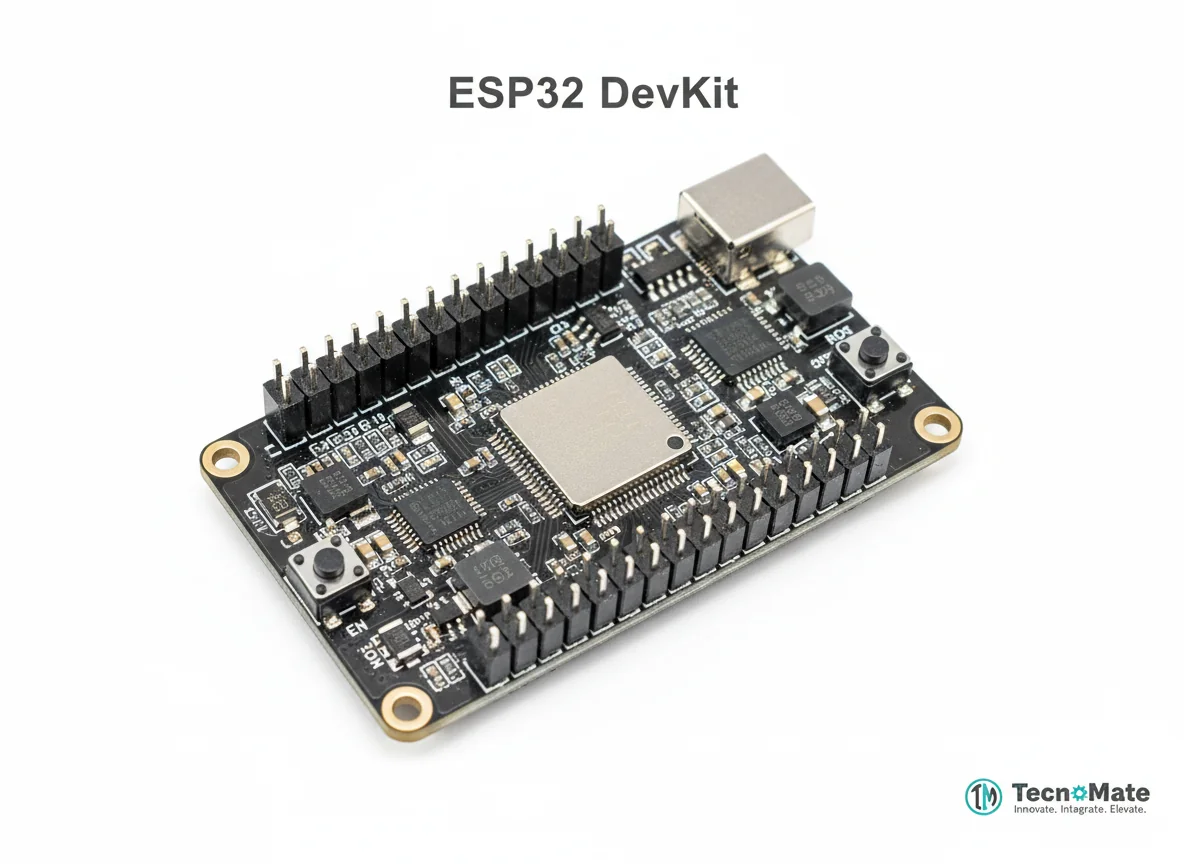 | 1 | ₹0.00 |
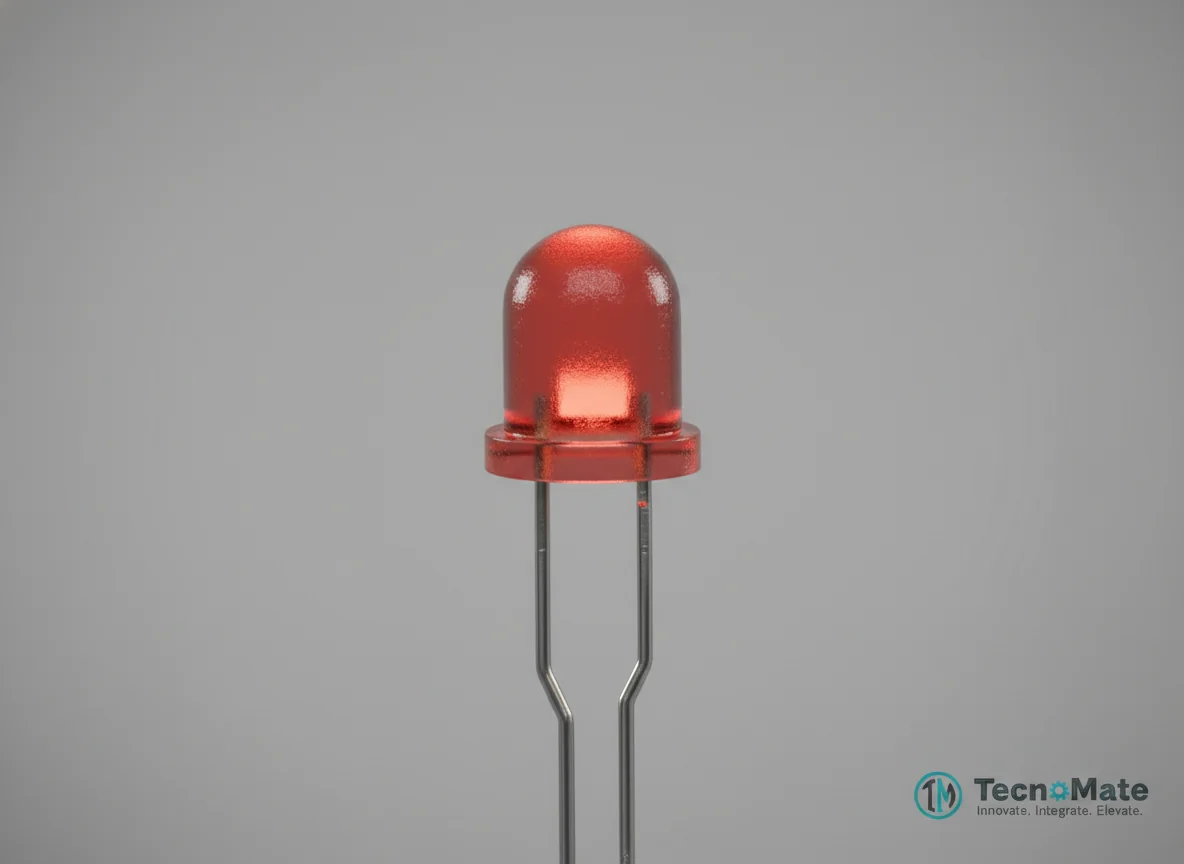 | 5 | ₹0.00₹0.00 × 5 |
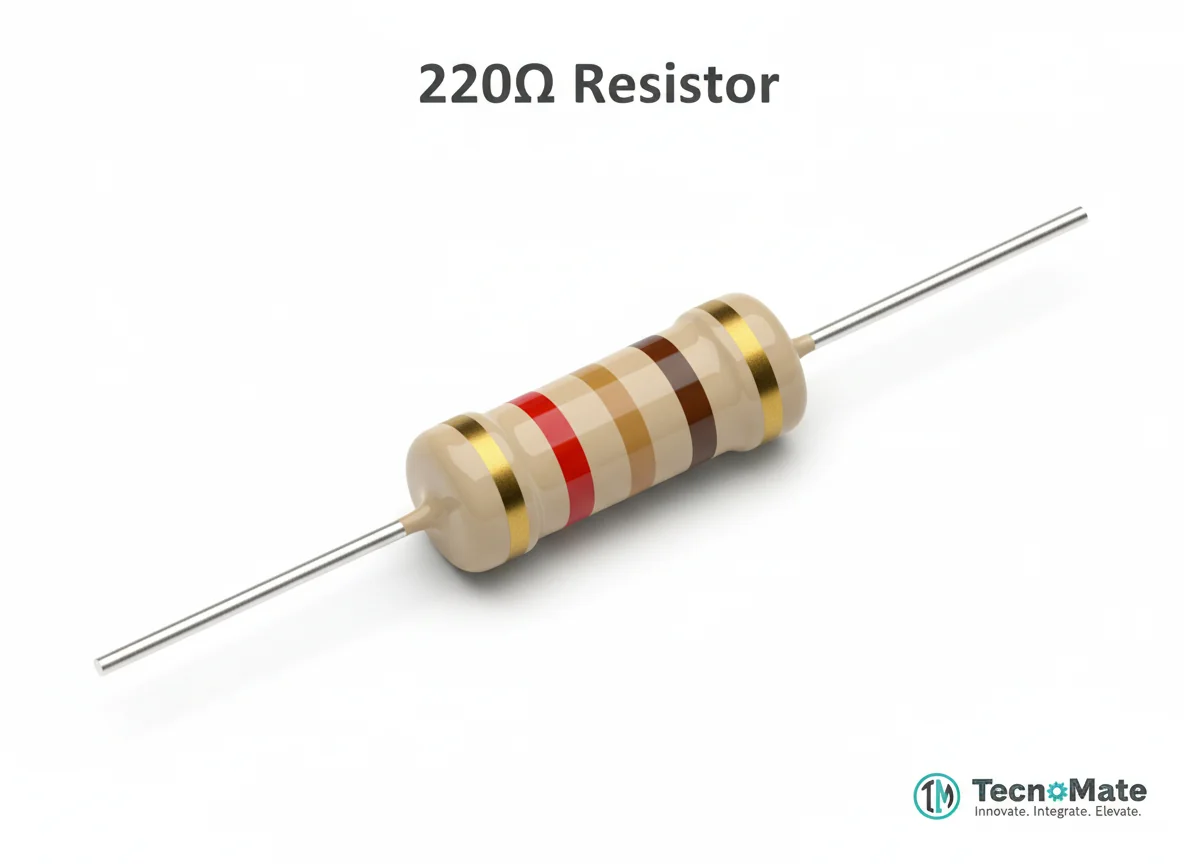 | 5 | ₹0.00₹0.00 × 5 |
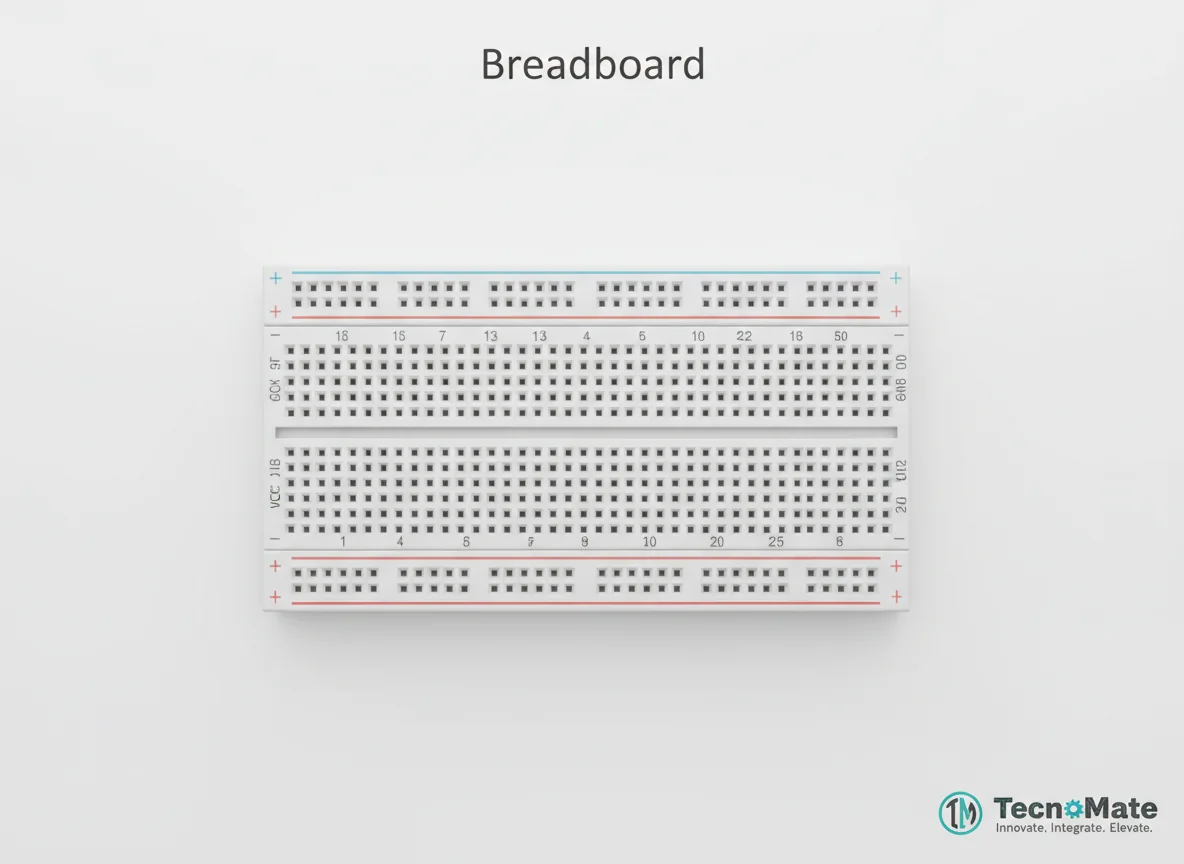 | 1 | ₹77.00 |
Wokwi Simulator | 1 | ₹0.00 |
Operating Instructions
Pin Connections
 Pin Connections
| MCU Pin | Connected To | Purpose | Notes |
|---|---|---|---|
| GPIO 2 | LED 1 | Digital output for LED control | LED connected through 220Ω resistor to GND |
| GPIO 4 | LED 2 | Digital output for LED control | LED connected through 220Ω resistor to GND |
| GPIO 5 | LED 3 | Digital output for LED control | LED connected through 220Ω resistor to GND |
| GPIO 18 | LED 4 | Digital output for LED control | LED connected through 220Ω resistor to GND |
| GPIO 19 | LED 5 | Digital output for LED control | LED connected through 220Ω resistor to GND |
Tools Required
 Tools Required
Safety Precautions
General
- ⚠No electrical risk in simulation
- ⚠Use resistors when implementing physically
- ⚠Avoid using boot pins for LEDs in real boards
Frequently Asked Questions
 Frequently Asked Questions
Q:Can I add more LEDs?
Q:Can I run this on a real ESP32?
Q:Can I change LED patterns?
Product images are for illustration purposes only. Actual products may differ in appearance, packaging, or specifications. See our Terms of Service.