

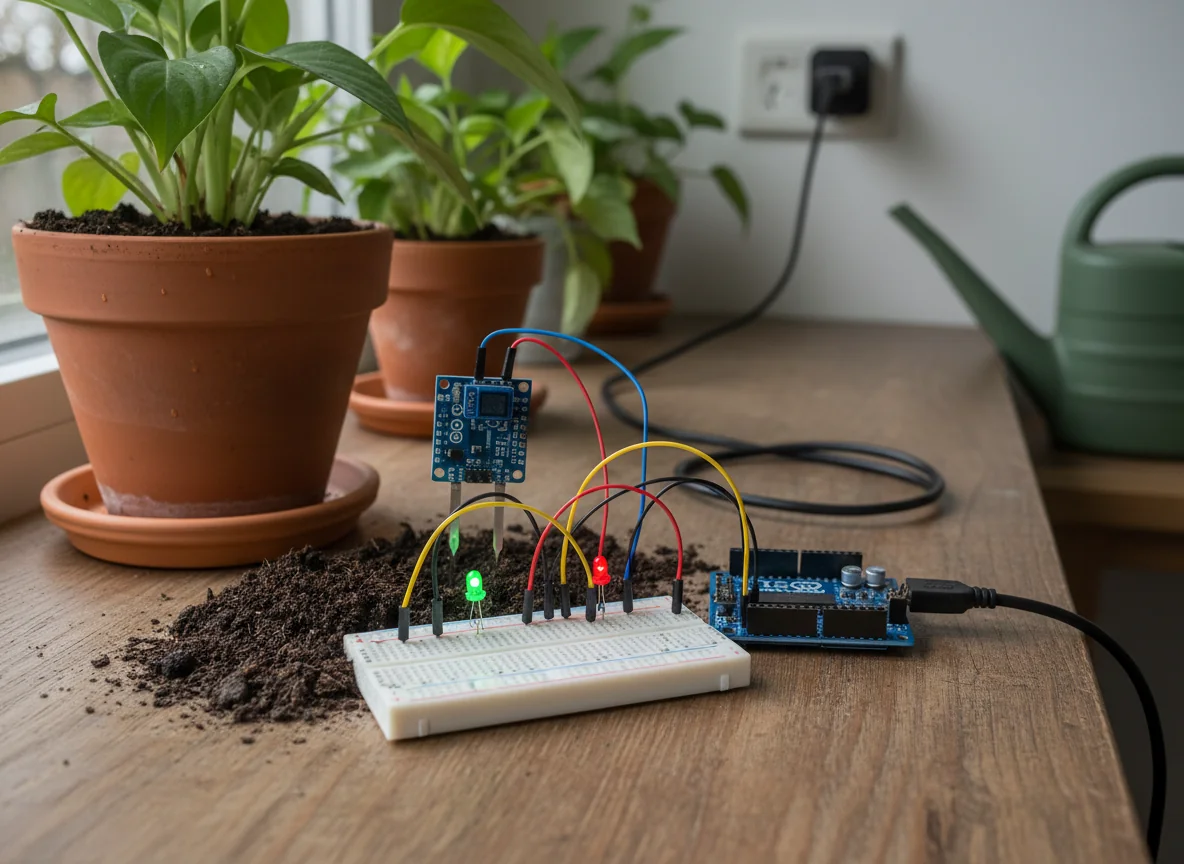
Soil Moisture Sensor System Using Arduino
Design a soil moisture monitoring system using Arduino that measures soil water content and indicates when plants need watering.
Inclusive of all taxes
- Secure payments via Razorpay
- 7-day returns on defective items
- GST invoice on every order
Free delivery on orders above ₹2,000
Delivers in 4-7 business days
Check delivery at your pincode
₹2752.00
Inclusive of all taxes

Components
7 items

Difficulty
Beginner
Build Time
30 – 45 minutes
Project Details
How It Works
 How It Works
The system operates on a simple but effective logic loop: 1. **Sensing:** The **Capacitive Soil Moisture Sensor** measures the dielectric permittivity of the soil. Wet soil conducts electricity better than dry soil. The sensor outputs an analog voltage (0-5V) proportional to the moisture content. 2. **Processing:** The **Arduino Uno** reads this analog signal (0-1023 value). 3. **Decision Making:** The code compares this reading against a pre-set `THRESHOLD` value. * If `reading < THRESHOLD` (Soil is dry): The Arduino sends a HIGH signal to the Relay Module. * If `reading >= THRESHOLD` (Soil is wet): The Arduino sends a LOW signal. 4. **Actuation:** The **Relay Module** acts as an electronic switch. When it receives the HIGH signal, it closes the circuit for the **Mini Water Pump**, allowing it to draw power from the battery/supply and pump water into the pot. 5. **Feedback:** As water enters the soil, the sensor detects the rising moisture. Once it crosses the threshold, the pump turns off automatically.
Prerequisites
Basic understanding of Arduino programming (setup and loop functions), familiarity with digital and analog pins, and knowledge of how to connect components on a breadboard. No prior electronics experience is required as this is a beginner project.
What You'll Learn
 What You'll Learn
Learn how to read data from analog sensors using `analogRead()`.
Understand how to switch high-current DC loads using a relay module.
Learn how to calibrate sensors for different soil types.
Gain hands-on experience in wiring pumps, tubes, and electronics.
Key Features
Corrosion-resistant sensor lasts much longer than cheap resistive ones.
Fine-tune the trigger point in software for perfect watering.
Quiet, efficient, and capable of lifting water up to 50cm.
What's Included in the Kit
| Component | Qty | Price |
|---|---|---|
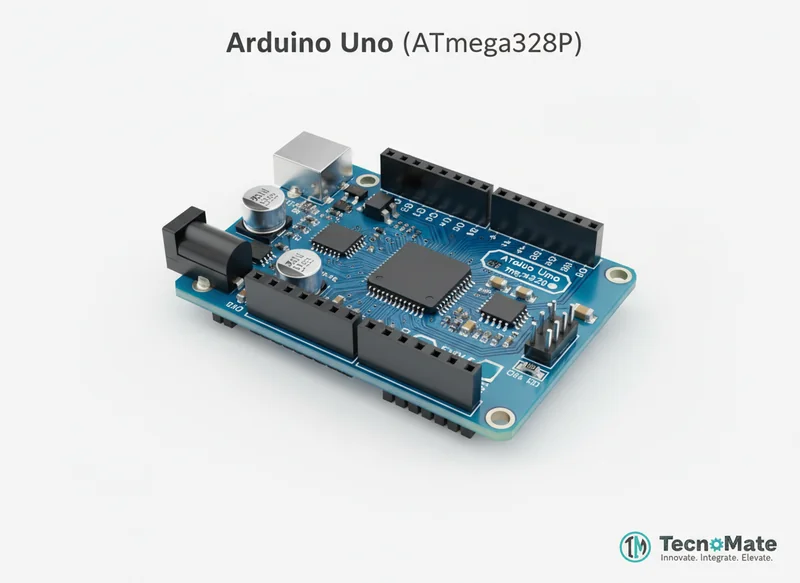 | 1 | ₹767.00 |
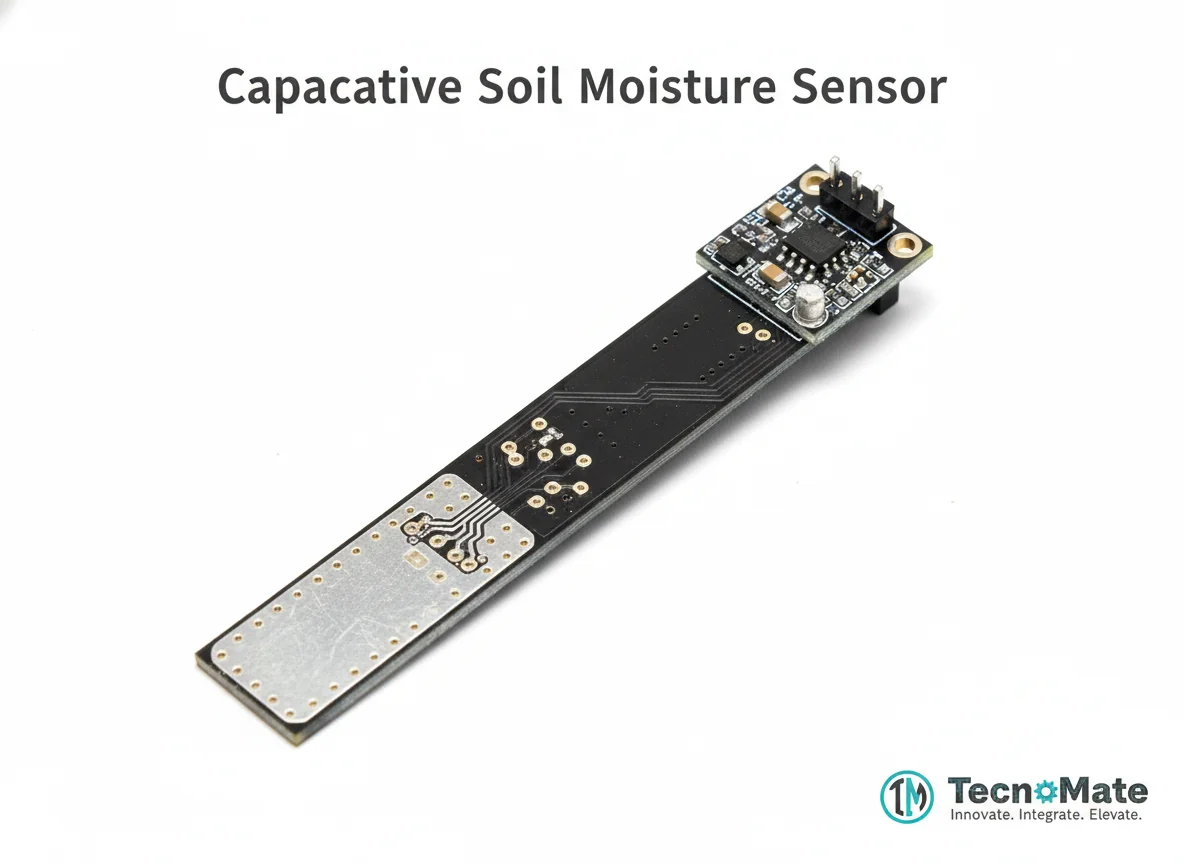 | 1 | ₹199.00 |
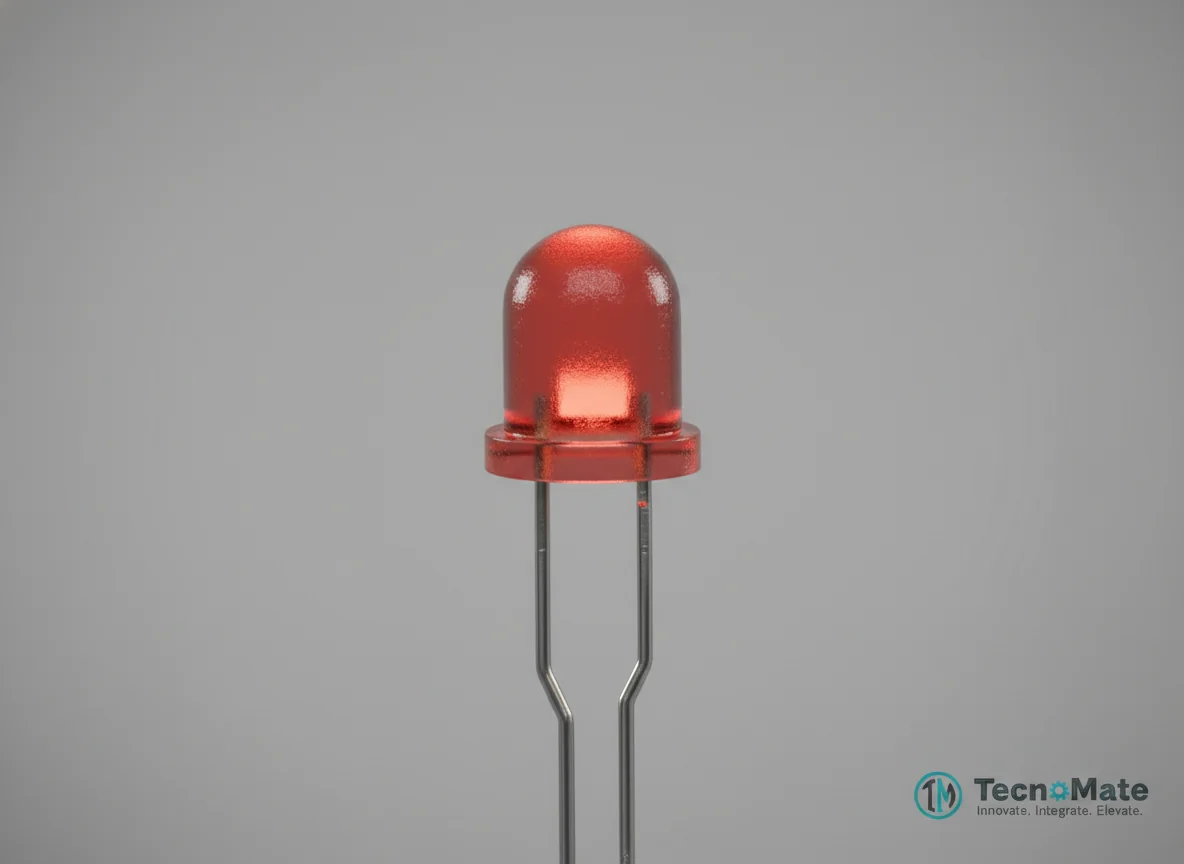 | 1 | ₹400.00 |
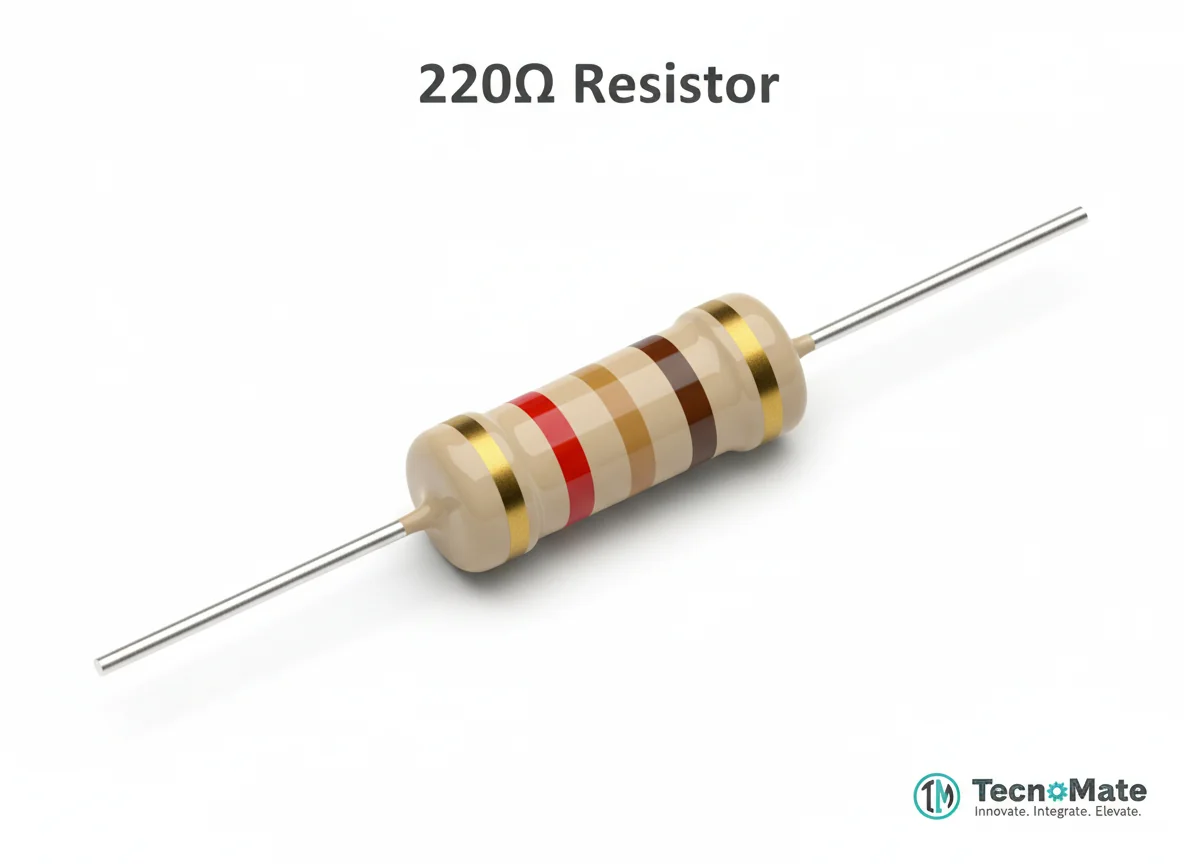 | 1 | ₹5.00 |
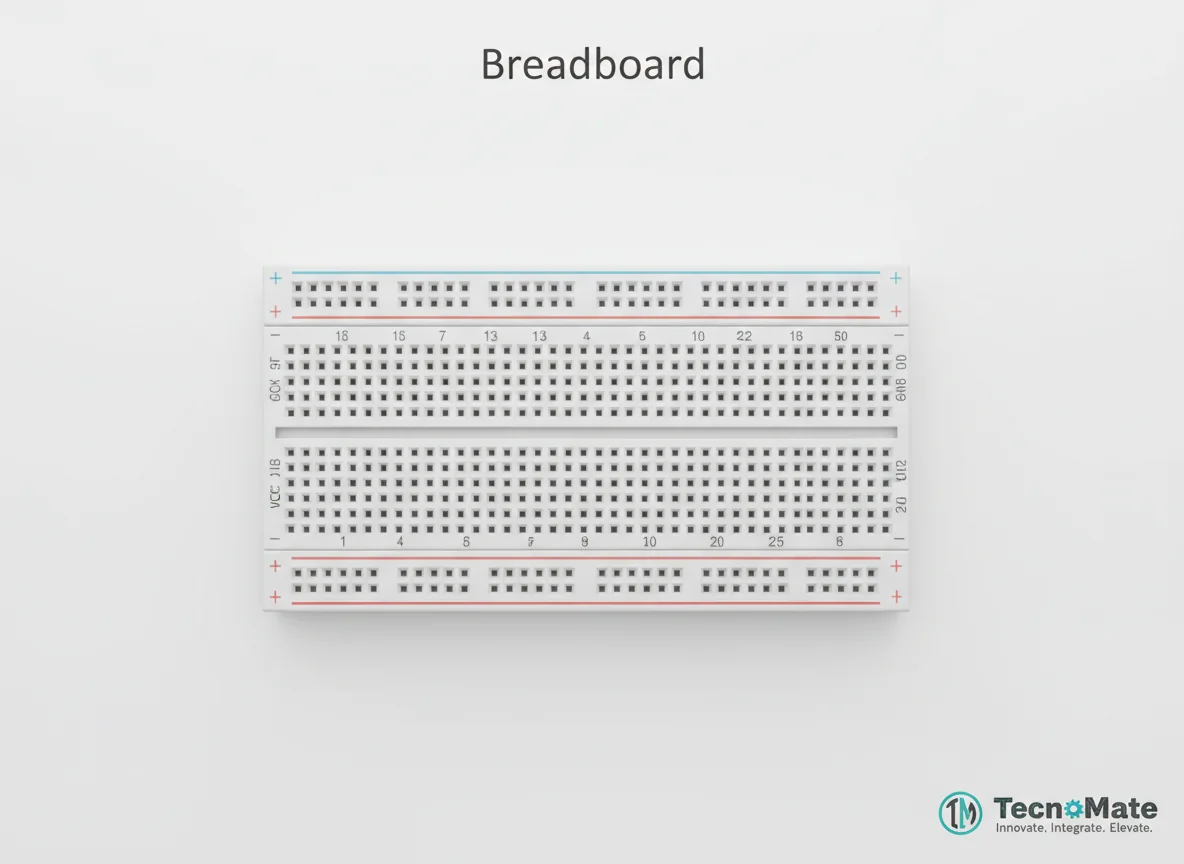 | 1 | ₹77.00 |
 | 1 | ₹171.00 |
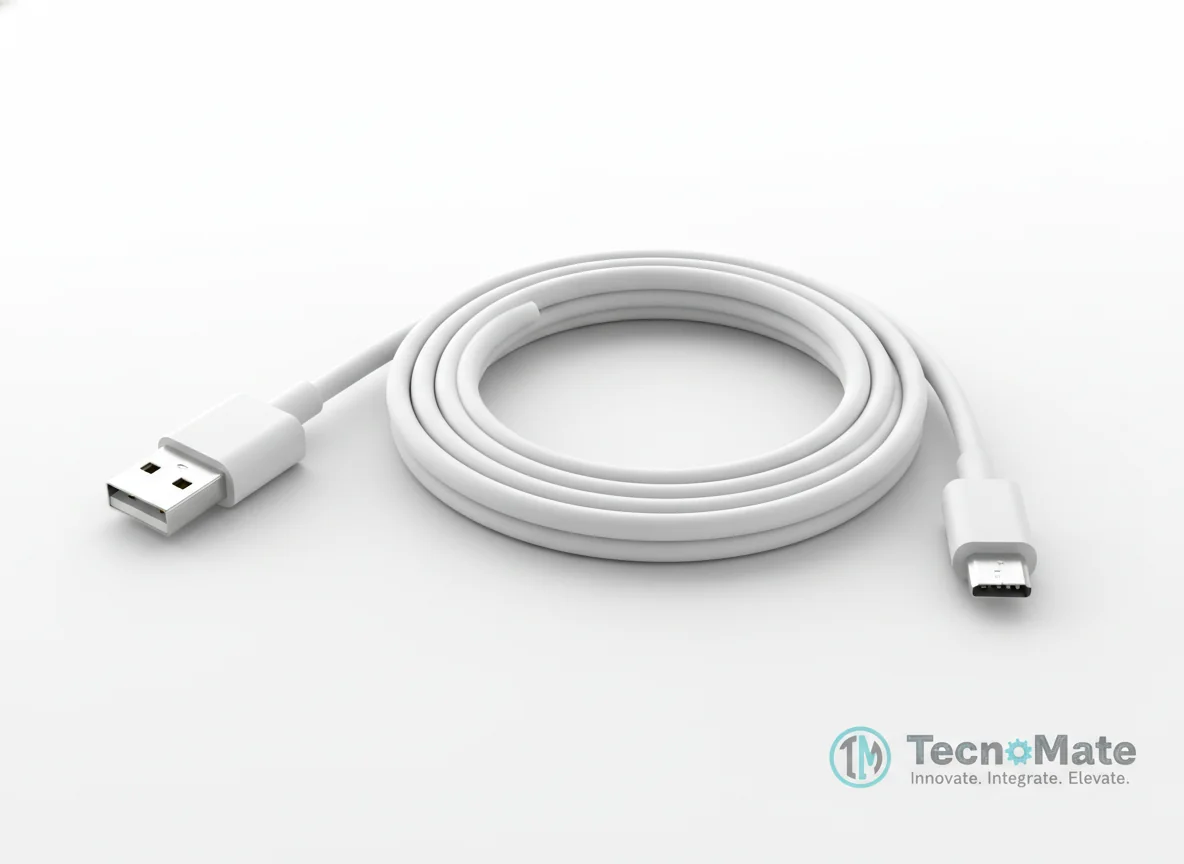 | 1 | ₹190.00 |
Operating Instructions
Applications & Use Cases
- Vacation Watering - Keep plants alive while you travel for weeks.
- School Science Fair - Demonstrates automation, biology, and electronics in one project.
- Optimized Growth - Maintain consistent soil moisture for sensitive plants like Bonsai or herbs.
Frequently Asked Questions
 Frequently Asked Questions
Q:Does it work with any plant?
Q:How is it powered?
Q:Is soldering required?
Q:Can I make it IoT enabled?
Product images are for illustration purposes only. Actual products may differ in appearance, packaging, or specifications. See our Terms of Service.